Beyond the Mush: A Parent’s Guide to Choosing the First Feeding Spoons
Beyond the Mush: A Parent’s Guide to Choosing the First Feeding Spoons
Beyond the Mush: A Parent’s Guide to Choosing the First Feeding Spoons
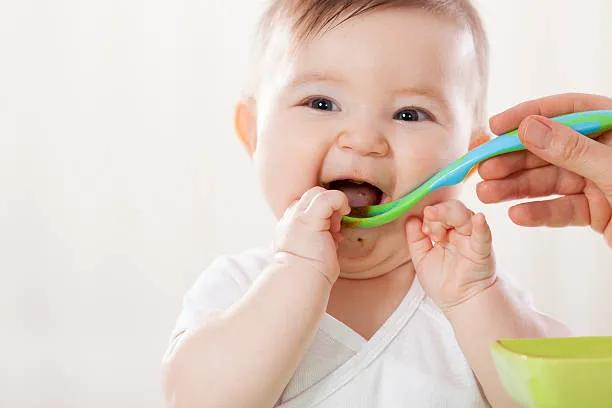
In the Mamaverse, the transition to solids is a messy, beautiful milestone. The right spoon isn't just a utensil; it’s a bridge to independence.
1. Material Science: Why Silicone Reigns Supreme
In 2026, the debate between plastic and silicone has a clear winner. When browsing for StarAndDaisy feeding spoons, you’ll notice a focus on 100% Food-Grade Silicone. Unlike plastic, silicone is inert, meaning it won't leach chemicals like BPA or phthalates into warm purees. More importantly, it is "Gum-Friendly." A baby’s mouth is incredibly sensitive; the soft-flex tip of a silicone spoon acts as a soothing teether rather than a hard surface that could cause a "spoon-strike."
2. The Ergonomics of Tiny Hands
The "scoop" is only half the story. A great training spoon must be easy to hold. Look for:
Chunky Handles: Babies use a palmar grasp (whole hand) before developing a pincer grasp. StarAndDaisy spoons feature wide, non-slip handles that fit perfectly in a small fist.
Short Necks: Long spoons are for parents to feed babies. Short, stubby spoons are for babies to feed themselves. A shorter neck reduces the "leverage" a baby needs to get the food from the bowl to their mouth, minimizing the spray of sweet potato across your walls.
3. Heat-Sensing Technology
One of the most helpful innovations for new parents is the Heat-Sensitive Tip. Some StarAndDaisy spoon sets are designed to change color if the food is over 40°C. This visual cue takes the guesswork out of "the wrist test," ensuring every bite is at a safe, comfortable temperature for your little one’s delicate palate.
4. Hygiene and Maintenance
If it’s not easy to clean, it’s not parent-friendly. Look for One-Piece Designs. Spoons with removable tips often have crevices where mold can hide. A seamless silicone spoon from StarAndDaisy is dishwasher-safe and can be boiled for sterilization, ensuring that no bacteria survives from one meal to the next.