A Stress-Free Potty Training Setup Starts Here: Choosing the Right Seat for Your Toddler’s First Step Toward Independence
A Stress-Free Potty Training Setup Starts Here: Choosing the Right Seat for Your Toddler’s First Step Toward Independence
A Stress-Free Potty Training Setup Starts Here: Choosing the Right Seat for Your Toddler’s First Step Toward Independence
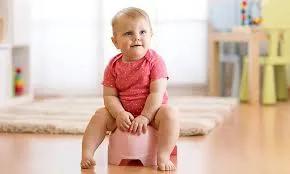
Potty training is one of the most memorable transitions in early childhood. It’s the moment toddlers begin doing something entirely on their own. But success doesn’t depend only on teaching or timing—it also depends heavily on the tools you use. An unstable or uncomfortable potty seat can make children anxious. Fear of slipping or falling often causes resistance. A well-designed seat, on the other hand, makes toddlers feel secure and confident.
Creating a stress-free potty training setup begins with choosing the right seat for your child. Explore the StarAndDaisy potty training collection for seats engineered with toddler psychology and safety in mind.
Why the Right Setup Changes Everything
A proper potty training seat helps reduce fear of the toilet, encourages regular use, and builds independence. When toddlers feel safe and comfortable, they cooperate more willingly, which minimizes accidents and speeds up the learning process. Remember: Comfort leads to consistency.
Consider Your Toddler’s Height and Size
Standard toilets are built for adults, not children. Seats should match your toddler’s proportions. Look for a low sitting height and proper seat width. Feet touching the floor or a step stool helps toddlers balance better. Proper posture improves confidence and makes the biological process easier for the child.
Stability Creates Trust
Toddlers avoid anything that feels shaky. Even slight movement can make children nervous and set back their progress by weeks. Before buying, ensure the seat has an anti-skid rubber base, a strong frame, and a non-wobbling design. Stable seating builds trust quickly, and you can find these reinforced designs at snd.in.
Soft Edges and Gentle Design Matter
Hard or sharp edges can feel uncomfortable on a toddler's sensitive skin. Better options include rounded contours, a smooth finish, and a soft seating surface. Integrated splash guards are also essential for maintaining a clean bathroom environment. These small design details make big differences in the child's willingness to use the seat.
Keep Cleaning Simple for Daily Use
Potty training requires frequent cleaning to maintain hygiene. Choose seats that are removable for washing, stain-resistant, and made of hygienic plastic. Quick cleaning helps parents maintain a fresh environment, which encourages the child to return without hesitation. High-quality premium baby products prioritize these easy-to-rinse surfaces.
Space-Saving and Portable Options
Parents often move potty seats between rooms or take them on trips to maintain consistency. Lightweight designs allow for easy carrying and compact storage. Portability adds convenience to everyday life, ensuring the training doesn't stop just because you aren't at home.
How StarAndDaisy Potty Training Seats Support Confident Learning
Many parents choose potty training seats from StarAndDaisy because their products are thoughtfully built for toddler safety. Their seats typically feature sturdy anti-slip bases, ergonomic back support, and child-friendly heights that make sitting secure and natural.
Parents often appreciate the easy-clean materials and lightweight construction that simplify daily routines. These practical elements help children feel comfortable while parents manage hygiene effortlessly. Reliable designs create smoother potty training experiences. Check out the latest models on the StarAndDaisy app.
Frequently Asked Questions
- What age should toddlers start potty training? Typically between 18–30 months, depending on physical and emotional readiness.
- Are standalone seats better for beginners? Yes, they feel safer as they are lower to the ground and less intimidating than the "big" toilet.
- How often should seats be sanitized? They should be cleaned after every use and deep-sanitized daily.
- Should potty seats have back support? Yes, it improves comfort and helps the child maintain the correct posture.
Conclusion
A stress-free potty training journey starts with the right foundation. Choosing a stable, comfortable, and easy-to-clean seat gives toddlers confidence and makes the process smoother for parents. The right setup transforms learning into a positive experience. Find your toddler's first step toward independence at snd.in.