Understanding Weight Gain During Pregnancy
Navigating weight gain during pregnancy can be challenging. Discover the essentials of healthy weight management for a joyful journey!

Understanding Weight Gain During Pregnancy
Pregnancy is a beautiful journey filled with excitement, anticipation, and numerous changes in a woman's body. Among these changes, weight gain is one of the most talked-about topics. Understanding the nuances of weight gain during pregnancy is crucial for both the mother’s health and the baby’s development. In this blog, we will explore how much weight to gain, factors influencing weight gain, and tips for managing it healthily.
How Much Weight Should You Gain?
The amount of weight you should gain during pregnancy depends on various factors, including your pre-pregnancy weight and body mass index (BMI). According to guidelines from the American College of Obstetricians and Gynecologists (ACOG), the recommended weight gain ranges are:
- Underweight (BMI less than 18.5): 28-40 pounds (12.7-18.1 kg)
- Normal weight (BMI 18.5-24.9): 25-35 pounds (11.3-15.9 kg)
- Overweight (BMI 25-29.9): 15-25 pounds (6.8-11.3 kg)
- Obesity (BMI 30 or more): 11-20 pounds (5-9.1 kg)
These ranges provide a general guideline, and it's essential to consult your healthcare provider for personalized recommendations.
Factors Influencing Weight Gain
Several factors can play a role in how much weight you gain during pregnancy:
- Gestational Age: Weight gain tends to increase as the pregnancy progresses, especially in the second and third trimesters.
- Multiple Pregnancies: Expecting twins or multiples can significantly increase weight gain requirements.
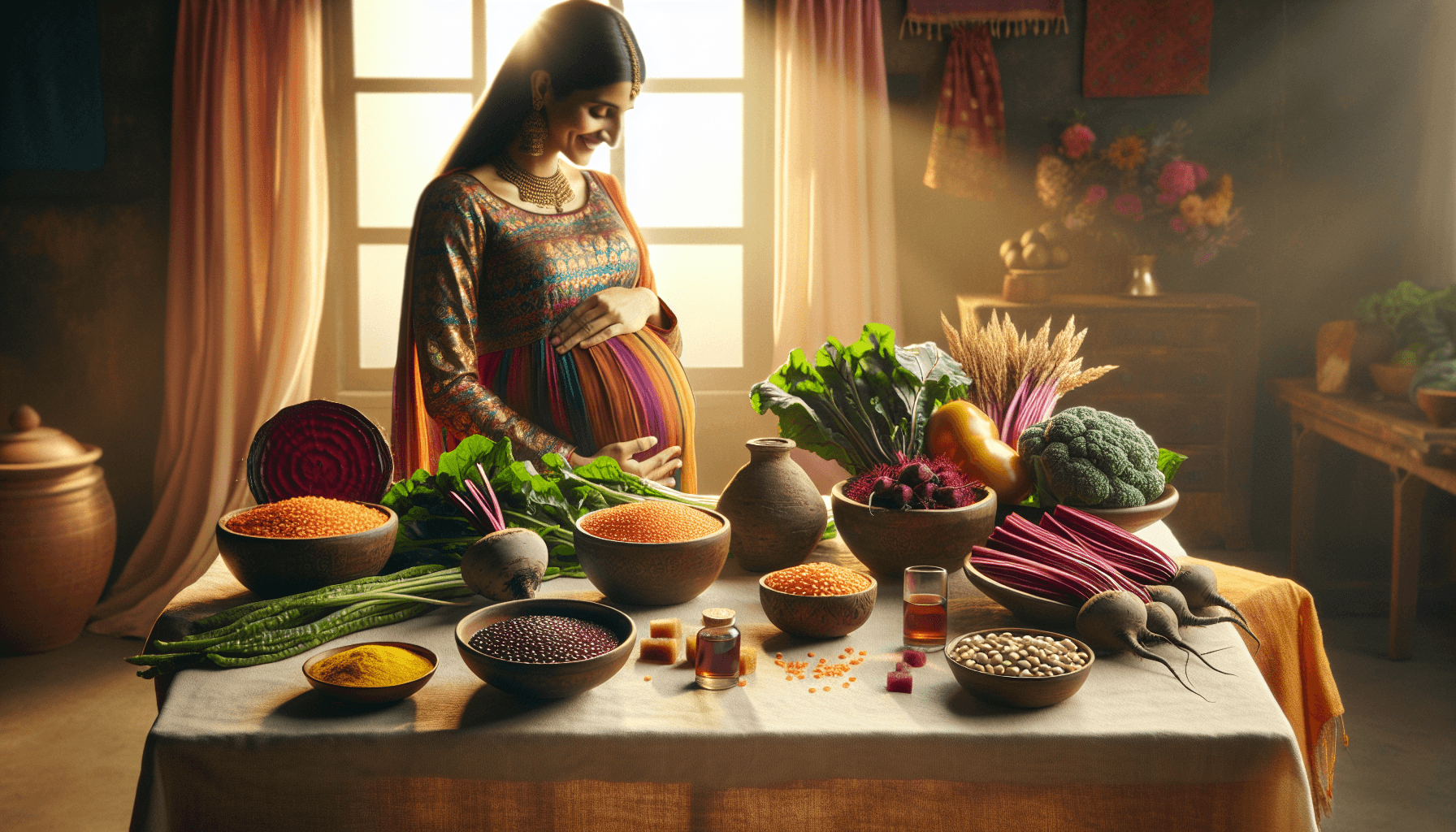
- Diet and Nutrition: A balanced diet rich in nutrients can support healthy weight gain. Focus on whole grains, fruits, vegetables, lean proteins, and healthy fats.
- Physical Activity: Staying active with appropriate exercise can help manage weight gain effectively.
- Genetics: Family history and metabolic factors may also influence weight gain patterns.
Healthy Weight Management
Managing weight gain during pregnancy doesn’t mean restricting calories or following fad diets. Instead, focus on nourishing your body and your baby through healthy habits. Here are some tips:
- Eat a Balanced Diet: Include a variety of foods from all food groups to ensure you and your baby get necessary nutrients.
- Stay Hydrated: Drink plenty of water throughout the day to support overall health and digestion.
- Regular Exercise: Engage in moderate physical activity, such as walking, swimming, or prenatal yoga, as advised by your doctor.
- Listen to Your Body: Pay attention to your hunger cues and eat when you’re hungry. Avoid eating for emotional reasons.
- Monitor Weight Gain: Regularly check your weight with your healthcare provider to ensure you’re on the right track.
What to Avoid
While it's crucial to focus on healthy habits, there are some things to avoid during pregnancy to ensure the well-being of you and your baby:
- Junk Food: Limit intake of processed foods, sugary snacks, and high-calorie junk food that offer little nutritional value.
- Excessive Caffeine: Limit caffeine consumption, as excessive amounts can affect fetal development.
- Skipping Meals: Avoid skipping meals, as this can lead to unhealthy eating patterns and impact your energy levels.
Emotional Well-being
Weight gain during pregnancy can be a sensitive topic for many women. It’s essential to approach this journey with a positive mindset. Remember that every body is unique, and your body is doing incredible work to bring new life into the world. Surround yourself with supportive friends, family, and healthcare providers who can help you navigate your feelings about weight gain and body image.
Conclusion
Understanding weight gain during pregnancy is a vital aspect of prenatal care. By focusing on a balanced diet, staying active, and maintaining a positive outlook, you can ensure a healthy weight gain journey. Always consult with your healthcare provider for tailored advice and support, and remember that this transformative time is about nurturing both yourself and your growing baby.
Kanika
Author - Parenting and Maternal Wellness
Hi, I’m Kanika, a parenting and maternal wellness writer at Mamaverse. I’m passionate about creating clear, practical, and thoughtfully researched content that helps parents feel more informed and confident throughout their parenting journey. I write about pregnancy, newborn care, baby development, toddler care, child development, parenting challenges, and family well-being. Before creating content, I focus on understanding the topic carefully and referring to reliable and authoritative sources, especially when the subject involves health, safety, or child development. Through Mamaverse, my goal is to simplify overwhelming parenting information into guidance that is easy to understand and useful in everyday life. I also believe that every pregnancy, child, and family is different, so my content is designed to educate and support—not replace personalized advice from qualified healthcare professionals. My Areas of Focus: Pregnancy, Maternal Wellness, Newborn Care, Baby Care, Toddler Care, Child Development, Parenting, and Family Well-being
Comments (0)
Leave a Comment
Related Articles

Post-delivery bleeding (lochia): what's normal?
Understanding postpartum bleeding and when to seek medical help.
Iron-Rich Foods During Pregnancy
Discover the importance of iron-rich foods during pregnancy and how they support both mother and baby's health. Get tips and food ideas!

Back pain during pregnancy: reasons & relief
Common causes of pregnancy back pain and safe relief methods.

Is it safe to travel during pregnancy? (car/train/flight)
Travel guidelines for pregnant women in India - car, train, and flight safety.