Understanding Parenting Responsibilities in the First Year
Discover the essential responsibilities of parenting in the first year. From feeding to nurturing, all you need to know for new parents.

Understanding Parenting Responsibilities in the First Year
The first year of parenthood is a transformative period filled with joy, challenges, and an overwhelming amount of new responsibilities. As new parents, understanding these responsibilities is crucial for both the well-being of your baby and your own peace of mind. In this guide, we’ll explore the essential aspects of parenting during this pivotal year, helping you navigate through sleepless nights and joyful milestones.
1. Establishing a Feeding Routine
Feeding is one of the primary responsibilities in the first year. Whether you choose to breastfeed or bottle-feed, establishing a routine can help both you and your baby feel more secure.
- Breastfeeding: If you opt for breastfeeding, aim to feed your baby on demand, which typically means every 2-3 hours in the early months. Breast milk is rich in nutrients and antibodies, essential for your baby's growth and immunity.
- Bottle Feeding: For formula-fed babies, follow the guidelines on the formula package regarding how much and how often to feed your baby, adjusting as they grow.
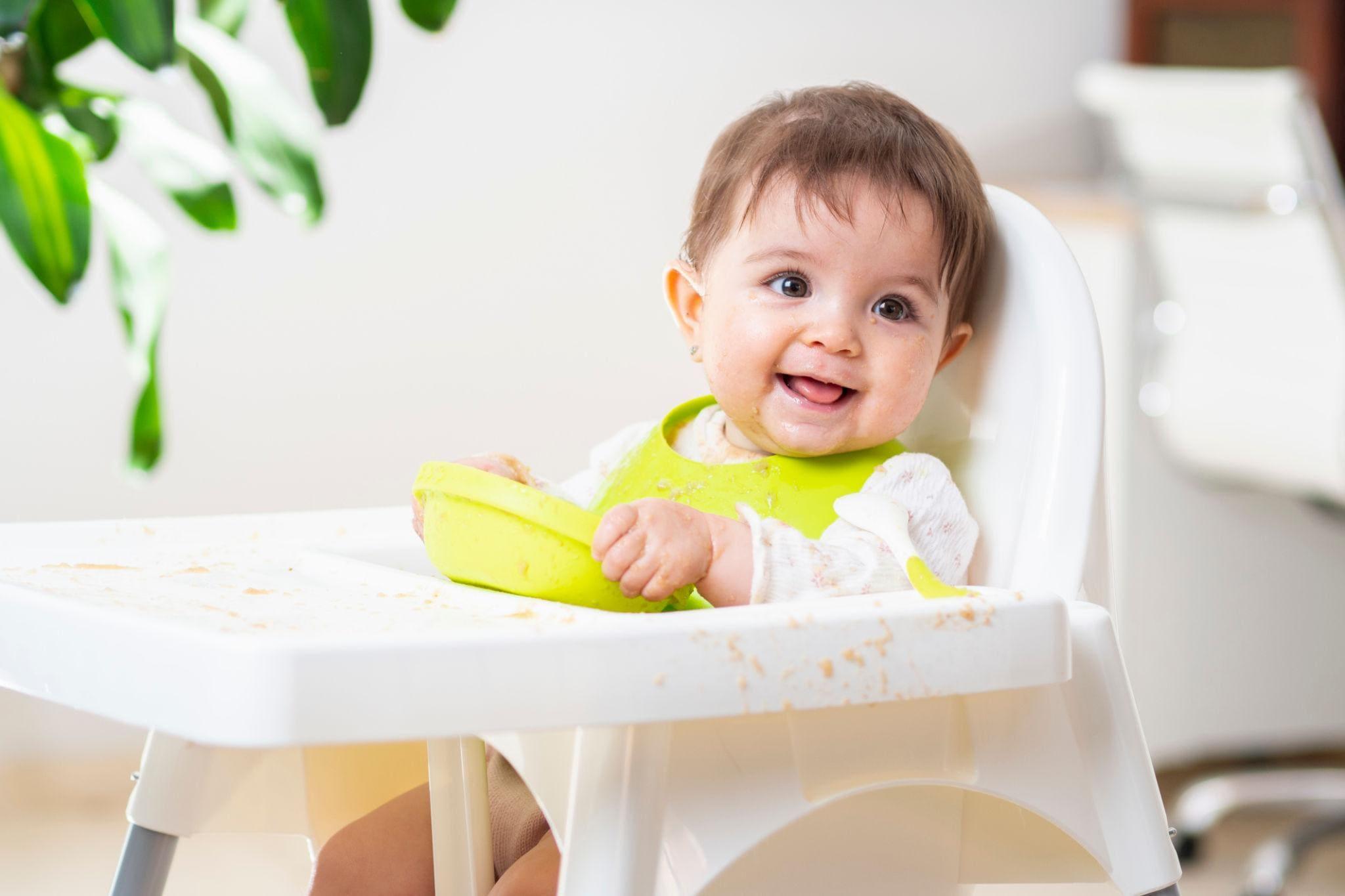
- Starting Solids: Around 6 months, you can begin introducing solid foods. Start with single-grain cereals or pureed fruits and vegetables, ensuring to introduce one new food at a time to monitor for allergies.
2. Sleep Schedules and Patterns
Sleep is a major concern for new parents. Babies have their own sleep patterns, which can be quite different from adults. Understanding these patterns can help you manage your expectations and develop a sleep routine.
- Newborns (0-3 months): Newborns typically sleep 14-17 hours a day, waking every few hours for feeding.
- 3-6 Months: By this stage, many babies start to sleep for longer stretches at night. Aim for a consistent bedtime routine to signal to your baby that it's time to sleep.
- 6-12 Months: Most babies will start to take two naps a day and may sleep through the night, although some may still wake up for feedings.
3. Health and Wellness Checks
Regular health check-ups are vital for your baby's growth and development. Schedule pediatric appointments during the first year to ensure your baby is meeting their milestones.
- Vaccinations: Follow the vaccination schedule recommended by your pediatrician to protect your baby from various diseases.
- Monitor Growth: Regular check-ups will help track your baby's growth in weight, length, and head circumference.
- Developmental Milestones: Be aware of key milestones in your baby's first year, such as crawling, sitting up, and babbling, and discuss any concerns with your pediatrician.
4. Emotional Support and Bonding
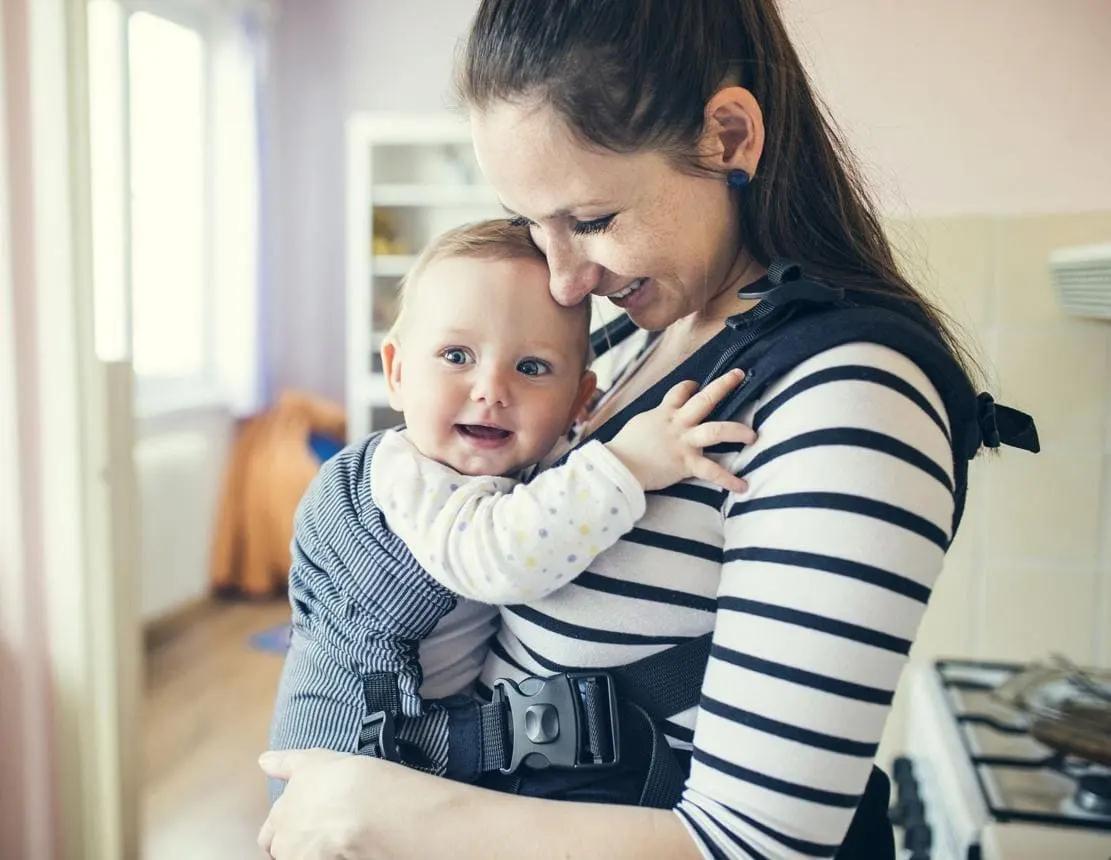
Emotional bonding with your baby is just as important as their physical care. This connection lays the foundation for their emotional and social development.
- Skin-to-Skin Contact: Engage in skin-to-skin contact, especially in the early days. It helps regulate your baby's body temperature and promotes bonding.
- Responsive Parenting: Respond to your baby's cries and needs promptly. This builds trust and security.
- Playtime: Engage in play with your baby to stimulate their senses and promote cognitive development. Simple activities like singing, reading, or playing peek-a-boo are great for bonding.
5. Managing Parental Stress
Parenting can be overwhelming, and it’s essential to take care of your mental health. Here are some tips to manage stress:
- Ask for Help: Don’t hesitate to reach out to family or friends for support. Sharing responsibilities can lighten the load.
- Self-Care: Prioritize self-care. Take time for yourself, whether it’s a short walk or reading a book, to recharge your energy.
- Connect with Other Parents: Join parenting groups or online forums to share experiences and seek advice from others who are going through similar challenges.
Conclusion
The first year of parenting is undeniably challenging, yet deeply rewarding. By understanding and embracing your responsibilities, you can create a nurturing environment for your baby to thrive. Remember, every parent’s journey is unique, and it's okay to seek help and advice when needed. Enjoy the beautiful moments, and embrace the learning curve that comes with raising your little one!
Kanika
Author - Parenting and Maternal Wellness
Hi, I’m Kanika, a parenting and maternal wellness writer at Mamaverse. I’m passionate about creating clear, practical, and thoughtfully researched content that helps parents feel more informed and confident throughout their parenting journey. I write about pregnancy, newborn care, baby development, toddler care, child development, parenting challenges, and family well-being. Before creating content, I focus on understanding the topic carefully and referring to reliable and authoritative sources, especially when the subject involves health, safety, or child development. Through Mamaverse, my goal is to simplify overwhelming parenting information into guidance that is easy to understand and useful in everyday life. I also believe that every pregnancy, child, and family is different, so my content is designed to educate and support—not replace personalized advice from qualified healthcare professionals. My Areas of Focus: Pregnancy, Maternal Wellness, Newborn Care, Baby Care, Toddler Care, Child Development, Parenting, and Family Well-being
Comments (0)
Leave a Comment
Related Articles

Portable Baby Bassinets for Travel-Friendly Parenting
Discover the benefits of portable baby bassinets and how they make travel easier for parents. Explore options for safe and comfy sleep on the go.

Common Mistakes First-Time Parents Make (And How to Avoid Them)
Navigating parenthood can be overwhelming. Discover common mistakes first-time parents make and how to avoid them for a smoother journey.
Minimalist Parenting: Buy Less but Choose Smart
I used to think loving my baby meant buying everything in the baby aisle. Six months later, her favourite toy was a wooden spoon—and half the products sat unused. That’s when minimalist parenting made sense.
Indoor vs Outdoor Baby Gear: What Modern Parents Should Invest In
Indoor vs outdoor baby gear—what should parents actually invest in? A practical guide to help you spend smart based on your lifestyle.