Understanding Health Risks During Pregnancy
Navigating pregnancy can be overwhelming, but understanding potential health risks is essential for a safe journey to motherhood.
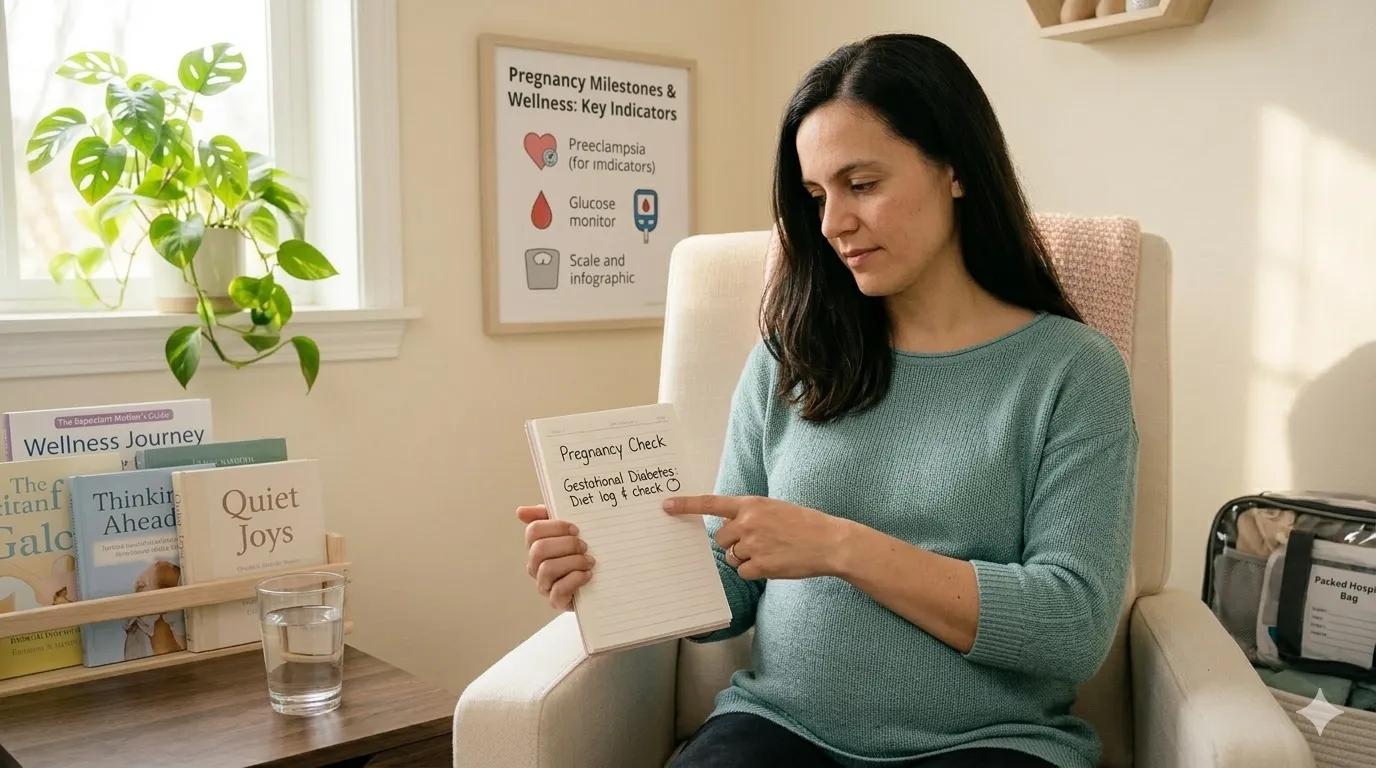
Understanding Health Risks During Pregnancy
Pregnancy is a miraculous journey filled with excitement and anticipation. However, it also comes with its share of health risks that every expectant mother should be aware of. Understanding these risks can help you take proactive steps to ensure a safer pregnancy for both you and your baby. In this blog post, we will explore common health risks during pregnancy, their signs and symptoms, and tips for managing them effectively.
Common Health Risks in Pregnancy
While most pregnancies are healthy, some women may encounter specific health challenges. Here are a few common health risks to be aware of:
- Gestational Diabetes: This type of diabetes occurs during pregnancy and can affect your blood sugar levels. Regular screening is crucial, especially if you have risk factors like obesity or a family history of diabetes.
- Preeclampsia: Characterized by high blood pressure and possible damage to other organs, preeclampsia often develops after the 20th week of pregnancy. Symptoms may include headaches, swelling, and vision changes.
- Miscarriage: The loss of a pregnancy before the 20th week is known as miscarriage. Although it's often beyond your control, recognizing risk factors such as age and underlying health issues can help manage expectations.
- Preterm Labor: This occurs when labor begins before the 37th week of pregnancy. Signs include regular contractions and lower back pain. If you experience any early signs, it's essential to seek medical advice.
- Infections: Pregnant women are at a higher risk of certain infections, such as urinary tract infections (UTIs) and listeria. Maintaining good hygiene and regular check-ups can help prevent these infections.
Recognizing the Signs and Symptoms
Being aware of the signs and symptoms associated with these health risks is crucial. Here’s what to look out for:
- Gestational Diabetes: Increased thirst, frequent urination, and fatigue.
- Preeclampsia: Sudden swelling, severe headaches, and visual disturbances.
- Miscarriage: Vaginal bleeding, cramping, and fluid discharge.
- Preterm Labor: Regular contractions, lower back pain, and pelvic pressure.
- Infections: Fever, chills, pain during urination, and unusual discharge.
Managing Health Risks
While some risks are unavoidable, many can be managed with lifestyle changes and medical guidance. Here are some tips for staying healthy during pregnancy:
- Regular Prenatal Care: Schedule regular check-ups with your healthcare provider to monitor your health and your baby’s development.
- Healthy Diet: Consume a balanced diet rich in fruits, vegetables, whole grains, and lean proteins. Staying hydrated is equally important.
- Stay Active: Engage in safe exercise, such as walking or prenatal yoga, to improve circulation and reduce stress.
- Avoid Harmful Substances: Stay away from alcohol, tobacco, and recreational drugs. Consult your doctor before taking any medications.
- Educate Yourself: Attend childbirth classes and read about pregnancy to stay informed about your body and your baby’s development.
Emotional Well-being
Pregnancy can also bring emotional challenges. Hormonal changes, along with anxiety about the upcoming arrival, can lead to mood swings. It’s essential to take care of your mental health:
- Talk to Someone: Share your feelings with your partner, friends, or family. Sometimes, just talking about your worries can alleviate stress.
- Mindfulness and Relaxation: Engage in relaxation techniques such as meditation or deep breathing exercises to help manage stress.
- Seek Professional Help: If you experience persistent sadness or anxiety, don’t hesitate to reach out to a mental health professional.
Conclusion
Understanding health risks during pregnancy is an essential part of preparing for motherhood. By staying informed and proactive, you can help ensure a healthier pregnancy for both you and your baby. Remember, your healthcare provider is your best resource; don’t hesitate to reach out to them with any concerns or questions you may have. Wishing you a safe and joyful journey to motherhood!
Kanika
Author - Parenting and Maternal Wellness
Hi, I’m Kanika, a parenting and maternal wellness writer at Mamaverse. I’m passionate about creating clear, practical, and thoughtfully researched content that helps parents feel more informed and confident throughout their parenting journey. I write about pregnancy, newborn care, baby development, toddler care, child development, parenting challenges, and family well-being. Before creating content, I focus on understanding the topic carefully and referring to reliable and authoritative sources, especially when the subject involves health, safety, or child development. Through Mamaverse, my goal is to simplify overwhelming parenting information into guidance that is easy to understand and useful in everyday life. I also believe that every pregnancy, child, and family is different, so my content is designed to educate and support—not replace personalized advice from qualified healthcare professionals. My Areas of Focus: Pregnancy, Maternal Wellness, Newborn Care, Baby Care, Toddler Care, Child Development, Parenting, and Family Well-being
Comments (0)
Leave a Comment
Related Articles

Post-delivery bleeding (lochia): what's normal?
Understanding postpartum bleeding and when to seek medical help.

Iron-Rich Foods During Pregnancy
Discover the importance of iron-rich foods during pregnancy and how they support both mother and baby's health. Get tips and food ideas!

Back pain during pregnancy: reasons & relief
Common causes of pregnancy back pain and safe relief methods.

Is it safe to travel during pregnancy? (car/train/flight)
Travel guidelines for pregnant women in India - car, train, and flight safety.