Toddler Potty Training Tips That Actually Work
Discover effective potty training tips for toddlers that make the process smoother and less stressful for you and your little one.
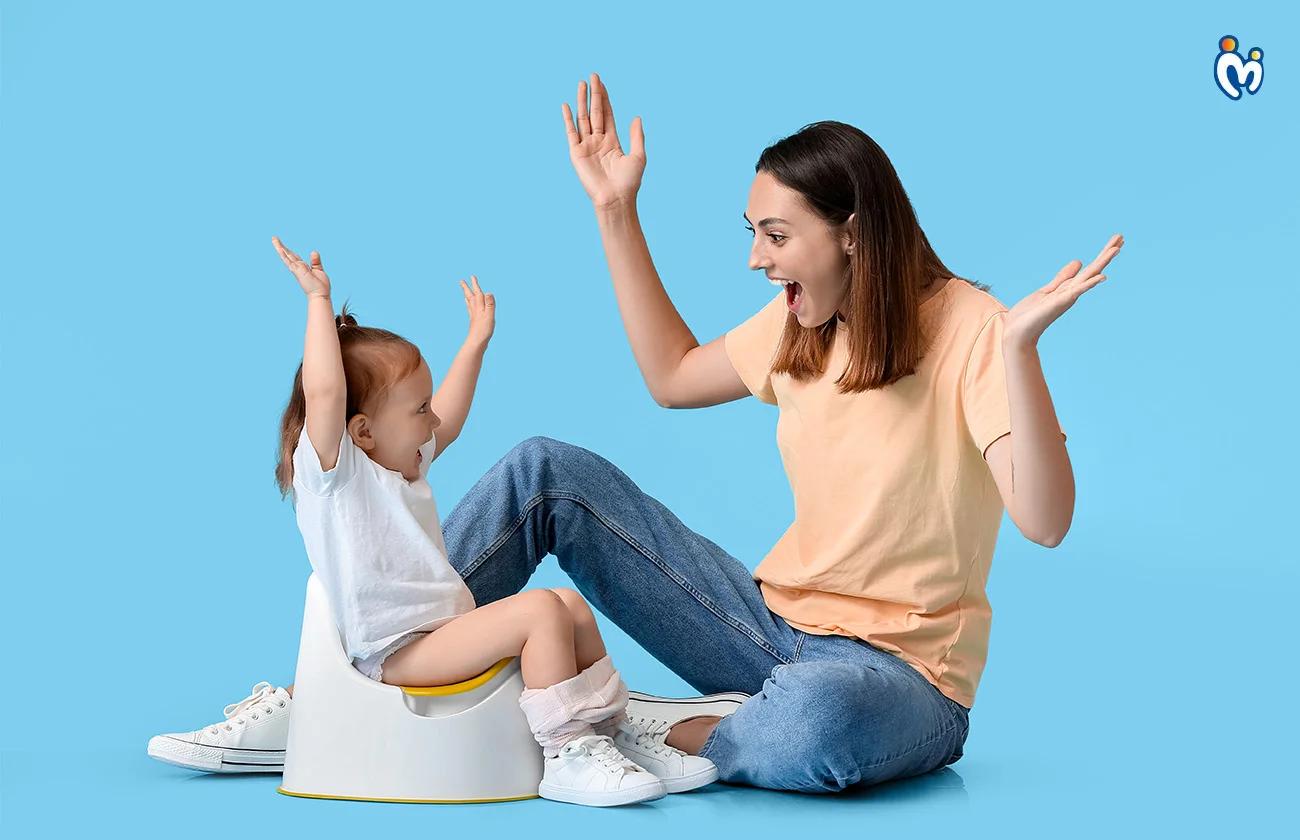
Toddler Potty Training Tips That Actually Work
Potty training can often feel like a daunting task for parents, but it doesn't have to be! With the right approach and mindset, you can make the process smoother and more enjoyable for both you and your toddler. Here are some effective tips to guide you through successful potty training.
1. Timing is Key
Before starting potty training, it’s essential to ensure that your toddler is ready. Look for signs of readiness, which may include:
- Staying dry for longer periods (at least two hours)
- Showing interest in the bathroom habits of others
- Communicating when they need to go
- Expressing discomfort in dirty diapers
Most children are ready to start potty training between 18 months and 3 years, but every child is different. Be patient and avoid pushing your child if they’re not ready.
2. Create a Routine
Establishing a consistent routine can help your toddler understand when it’s time to use the potty. Encourage them to sit on the toilet:
- First thing in the morning
- After meals
- Before bedtime
Using a sticker chart to mark successful potty visits can also provide motivation and make the experience more engaging for your child!
3. Choose the Right Gear
Invest in a toddler-friendly potty or a seat adapter for your regular toilet. Let your child choose their potty or seat to make them feel more involved and excited about the process. Ensure that the potty is comfortable and easily accessible.
4. Use Positive Reinforcement
Celebrate successes, no matter how small! Praise your toddler when they use the potty, and consider using rewards like stickers or extra playtime. Avoid punitive reactions to accidents; instead, reassure them that it’s all part of learning.
5. Teach Proper Hygiene
As part of potty training, it’s essential to teach your child about hygiene. Show them how to wipe properly, encourage handwashing after using the toilet, and explain why it’s important. Making hygiene fun can help instill good habits early on.
6. Dress for Success
Choose clothing that is easy for your toddler to remove quickly. Avoid complicated buttons or layers when they are just learning. This will boost their confidence and encourage them to use the potty when they need to!
7. Stay Calm and Consistent
Potty training is a learning process that can take time. It’s crucial to remain calm and consistent throughout the journey. If your toddler has an accident, reassure them that it’s okay and encourage them to try again next time.
8. Be Patient with Setbacks
Even if your toddler seems to be getting the hang of it, setbacks are common. Factors like illness, changes in routine, or stress can cause regression. Be understanding and patient, and remember that every child learns at their own pace.
9. Make it Fun!
Incorporate fun elements into potty training. Read books about potty training together, sing songs, or let your toddler decorate their potty. Making it enjoyable can help reduce anxiety and create a positive association with using the toilet.
10. Know When to Take a Break
If your toddler is resistant or frustrated, it may be time to take a step back. Reassess their readiness and try again after a few weeks. It’s better to wait than to create negative feelings about potty training.
Conclusion
Potty training is a significant milestone for both you and your toddler. With patience, encouragement, and the right strategies, you can navigate this journey successfully. Remember that every child is unique, so embrace the process and celebrate your little one's achievements along the way!
Dr. Vandana Raghav
Pediatrician & Child Health Expert
Hi, I’m Vandana Raghav, a pediatrician and child health expert associated with Mamaverse. My work is focused on helping parents better understand their child’s health, growth, development, nutrition, and overall well-being through reliable and practical guidance. As a pediatrician, I understand that parents often have questions and concerns at every stage of their child’s development. Through Mamaverse, I aim to make medically complex topics easier to understand while providing evidence-informed information that parents can use to have more informed conversations about their child’s care. My areas of interest include newborn care, infant health, child growth and development, nutrition, feeding, sleep, common childhood health concerns, preventive care, and overall child wellness. I believe trustworthy parenting and child-health information should be accurate, responsible, and easy to understand. My goal is to help Mamaverse provide parents with dependable health information while encouraging them to consult their pediatrician or other qualified healthcare professional whenever individualized medical assessment, diagnosis, or treatment is required. My Areas of Expertise: Pediatrics, Newborn Care, Infant Health, Child Health, Growth and Development, Child Nutrition, Preventive Care, Parenting and Child Wellness
Comments (0)
Leave a Comment
Related Articles
Baby Feeding Made Easy: How to Choose the Right High Chair for Your Baby
The first time I placed my baby in a high chair, it felt like a milestone—until the food started flying. Choosing the right high chair can make mealtimes safer, easier, and far less chaotic.

The Art of Gentle Weaning: Moving from Milk to Solids Smoothly
The day I offered my daughter her first spoonful of rice water, she looked at me like I had personally betrayed her. By week three, she was grabbing the spoon. Weaning is a journey, not a deadline.

Best Baby Carriers in India 2026: Types, Safety & Buying Guide
A good baby carrier is your hands-free parenting superpower. But with so many types available in India, choosing the right one can be overwhelming. This guide makes it simple.

Healthy Diet Chart for Toddlers
Discover a nutritious diet chart tailored for toddlers that ensures balanced meals. Learn how to make mealtime enjoyable and healthy!