The Sensory Science of Sleep: How Bedding Texture Impacts Infant Brain Development
The Sensory Science of Sleep: How Bedding Texture Impacts Infant Brain Development
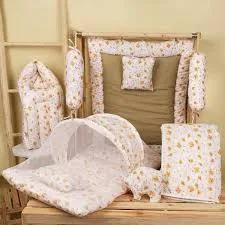
The Sensory Science of Sleep: How Bedding Texture Impacts Infant Brain Development
Introduction: More Than Just a Soft Surface
In the Mamaverse, we often discuss sleep in terms of hours and minutes. But the quality of that sleep is dictated by the environment. For an infant, the bedding is their most consistent sensory contact. Because a baby’s skin has significantly more somatosensory receptors than an adult's, the texture of their sheets and the loft of their pillows do more than provide comfort—they provide the sensory security necessary for deep, REM-cycle sleep.
This 1500-word deep dive explores the relationship between tactile input and neurological calm. By choosing the right baby bedding set, you are essentially engineering a sensory "safe zone" that allows your baby’s brain to focus on growth rather than environmental irritation.
1. The Tactile Connection: Skin-to-Sheet Comfort
A baby’s skin is 30% thinner than an adult’s, making them highly susceptible to "micro-irritations" caused by synthetic fibers or rough weaves.
- The Cortisol Connection: Scratchy or non-breathable bedding can cause a rise in cortisol (the stress hormone), which prevents the baby from entering a deep sleep state.
- StarAndDaisy Solution: Utilizing premium, long-staple cotton, StarAndDaisy bedding provides a friction-free surface. This "Gentle-Touch" engineering helps maintain low stress levels, promoting a faster transition from wakefulness to rest.
2. Thermal Regulation and the Breathability Matrix
Infants lack the ability to sweat efficiently to cool down. If bedding traps heat, the baby’s heart rate increases, leading to "restless sleep syndrome."
The science of breathability involves the "wicking" ability of the fabric. High-quality bedding sets create a micro-climate that pulls moisture away from the skin. This prevents the "clammy" feeling that often wakes babies up in the middle of the night, ensuring their core temperature remains within the optimal sleep window.
3. The Role of Pillows in Post-Infancy Comfort
As babies grow into toddlers, the transition to using a pillow is a major milestone. In the Mamaverse, we focus on "Loft Management."
A pillow that is too high can strain the developing cervical spine. StarAndDaisy designs baby pillows with a flat-profile contour, providing just enough cushioning to support the natural curve of the neck without forcing an upward tilt. This mechanical support is essential for preventing morning stiffness and encouraging long-term spinal health.
4. Visual Harmony and Psychological Calm
While the feel is vital, the visual environment of the crib also matters. Overly bright, high-contrast patterns can be overstimulating for a tired baby. Modern StarAndDaisy collections use soft, pastel, and neutral palettes. These colors signal the brain to produce melatonin, the "sleep hormone," helping to establish a reliable circadian rhythm from an early age.