The Power of "I Can Do It": Understanding the Psychology of Potty Training
The Power of "I Can Do It": Understanding the Psychology of Potty Training
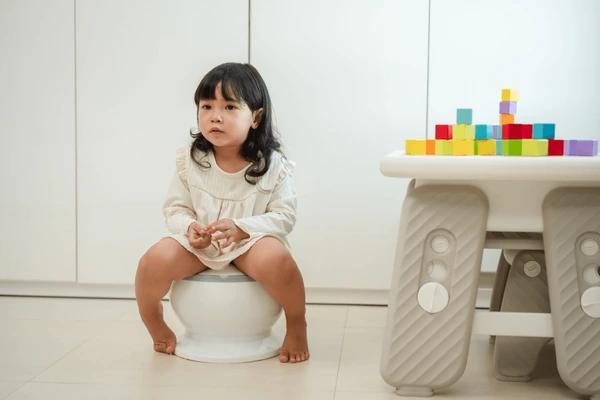
The Power of "I Can Do It": Understanding the Psychology of Potty Training
In the Mamaverse, potty training isn't just about ditching diapers; it's one of the first major steps toward a child’s sense of autonomy and self-mastery.
1. Autonomy vs. Shame: The Toddler’s Internal Battle
According to developmental psychology, the toddler years are defined by the struggle between Autonomy and Shame. When a child learns to control their bodily functions, they gain a massive boost in self-confidence. Using a StarAndDaisy potty training seat that is specifically designed for their size helps reduce the "shame" of accidents. By providing a seat that feels safe and secure, you are telling your child that the world is a place they can navigate successfully, fostering a lifelong "can-do" attitude.
2. The Fear of the "Great Unknown" (The Big Toilet)
To a toddler, the standard adult toilet can be terrifying. It’s loud, the water disappears into a dark hole, and the seat is so large they feel like they might fall in. This fear can cause physical "withholding," which leads to constipation and stress. A StarAndDaisy training seat with an integrated ladder or a soft, cushioned ring acts as a psychological bridge. It makes the toilet feel like a "friend" rather than a giant, helping the child stay relaxed—which is the biological requirement for actually going.
3. Mirroring and the Desire for Social Inclusion
Toddlers have an innate biological drive to mimic their "tribe." They want to do what Mommy, Daddy, or a big sibling does. When they have their own StarAndDaisy potty seat, they aren't just performing a task; they are participating in a social ritual. This desire for social inclusion is a much stronger motivator than any sticker chart or bribe. By treating potty time as a normal, positive part of the family routine, you tap into their natural instinct to grow up.
4. Labeling and Body Awareness
The journey to the potty starts in the brain, not the bladder. Before they can use a StarAndDaisy seat, they must learn to "label" the sensations in their tummy. Parents in the Mamaverse use this time to build Interoception—the sense of what is happening inside the body. Narrating their cues ("I see you're doing the potty dance; your tummy is telling you it's time!") helps them connect the physical urge to the action of sitting down, turning a reflex into a conscious choice.