The Hygiene Blueprint: A Parent’s Guide to Sterilizing and Maintaining Baby Bottles
The Hygiene Blueprint: A Parent’s Guide to Sterilizing and Maintaining Baby Bottles
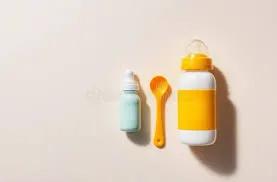
The Hygiene Blueprint: A Parent’s Guide to Sterilizing and Maintaining Baby Bottles
Introduction: Protecting the Developing Immune System
In the first year of life, a baby’s immune system is still "learning" how to fight off pathogens. Common bacteria that wouldn't affect an adult can cause severe stomach upsets in an infant. This makes the hygiene of your baby feeding bottle just as important as the milk inside it. In the Mamaverse, "clean" is a technical standard, not just a visual one.
This 1500-word guide walks you through the "Hygiene Blueprint"—from choosing the right materials to the most effective sterilization methods—ensuring every feed from your StarAndDaisy bottle is pure and safe.

1. Why "Washing" Isn't "Sterilizing"
While soap and water remove milk residue, they don't always kill stubborn bacteria or viruses. Sterilization is the process of using heat or chemicals to eliminate 99.9% of germs.
- Steam Sterilization: The most common method. Using an electric steam sterilizer or a microwave bags, steam reaches into the tiny crevices of the nipple and the anti-colic valve.
- UV Sterilization: The modern choice. UV-C light breaks down the DNA of bacteria, ensuring a dry, chemical-free clean.
2. Managing Milk Biofilms
Milk contains fats and proteins that can form a "biofilm"—a thin, sticky layer that traps bacteria. If you notice your bottle looking "cloudy," it’s likely biofilm buildup.
- The Brush Rule: Use a specialized silicone bottle brush. Unlike standard sponges, silicone is non-porous and doesn't harbor bacteria.
- Disassembly: Always take the bottle completely apart. Remove the nipple from the ring and pull out any internal vent tubes. Bacteria love to hide in the threads of the screw cap.
3. When to Replace Your Bottles and Nipples
Feeding gear is not eternal. To maintain safety, you must monitor for wear and tear:
- Nipples: Replace every 2-3 months. Check for "thinning," sticky texture, or discoloration. If the nipple collapses during feeding, the material has lost its structural integrity.
- Bottles: While PPSU bottles can last longer, replace them if you see deep scratches (where bacteria can hide) or any cracks.
4. Traveling with Bottles: The Hygiene Challenge
Maintaining the "Hygiene Blueprint" on the go is a challenge for every Mamaverse parent.
- Pre-Sterilized Kits: Carry your bottles in a dedicated, insulated bag.
- Dry Storage: Never store a wet bottle in a bag; moisture is a breeding ground for mold. Always ensure the bottle is bone-dry before reassembly.