The Homework Anchor: Building Academic Autonomy through a Dedicated Space
The Homework Anchor: Building Academic Autonomy through a Dedicated Space
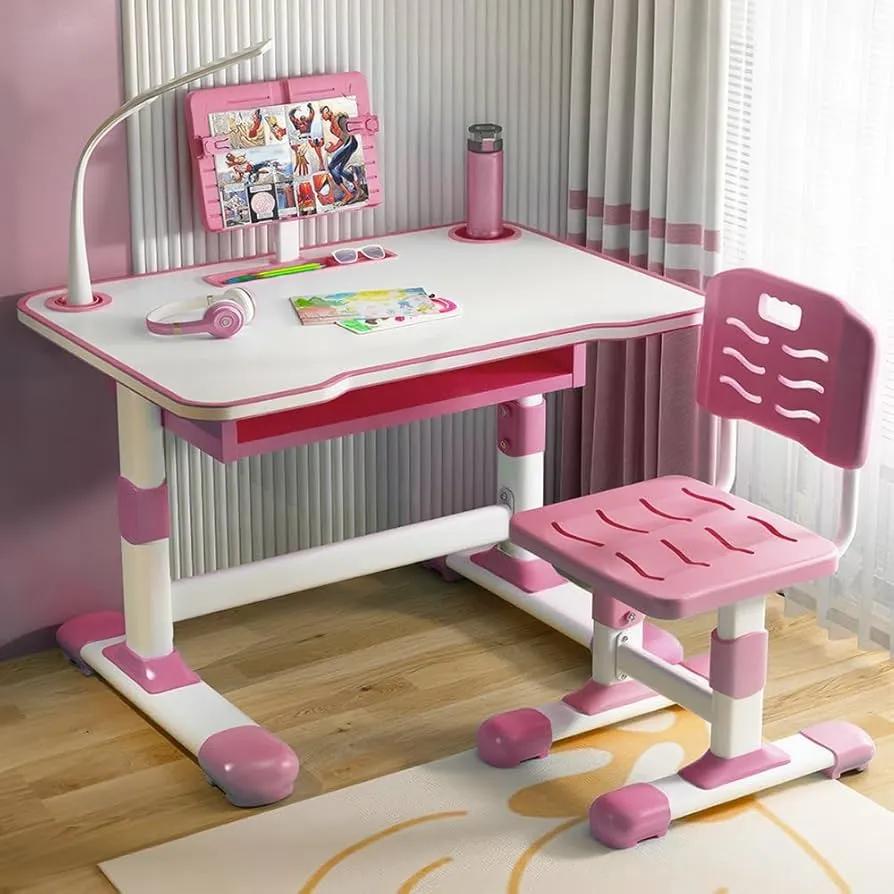
The Homework Anchor: Building Academic Autonomy through a Dedicated Space
Introduction: Beyond the Dining Table Battle
In the Mamaverse, we’ve all experienced the "Homework Tug-of-War." It starts at the kitchen table, amidst the crumbs of afternoon snacks and the distractions of the TV in the background. When a child doesn't have a designated place for their academic life, their "study brain" never fully switches on. A StarAndDaisy kids study table acts as a psychological anchor—a signal to the nervous system that it is time to shift from "play mode" to "focus mode."
This 1500-word guide explores the behavioral science behind a dedicated workspace. We’ll discuss how ownership of a desk fosters a sense of responsibility, why StarAndDaisy ergonomics reduce the physical restlessness that leads to procrastination, and how to use a "desk ritual" to eliminate power struggles over schoolwork. At Mamaverse.co, we believe that when you give a child their own "office," you give them the tools for self-reliance.
1. The Psychology of Ownership: "This is My Office"
When a child is forced to clear their books away every night for dinner, they feel like guests in their own learning process.
- Developing Pride: Having a permanent StarAndDaisy study table allows a child to curate their environment.
- Agency and Responsibility: When they have a drawer for their pencils and a shelf for their favorite books, they take ownership of that space. This sense of "agency" is the first step toward intrinsic motivation—where they do their homework because they feel like a "student," not because they were told to.
2. Reducing the "Fidget Factor" with Ergonomics
In the Mamaverse, we often mistake physical restlessness for a lack of focus.
The Support Connection: If a child is sitting on an adult chair where their feet don't touch the ground, their brain is constantly using energy to balance. StarAndDaisy tables and ergonomic chairs provide the stability they need. When the body feels secure and supported, the brain can redirect all its energy toward solving a math problem or writing a story, significantly increasing their "attention span."
3. Creating the "Flow State" Environment
A "flow state" is that magical moment when a child is so absorbed in a task that they lose track of time.
- Minimizing Transitions: Having everything they need—pens, rulers, light, and paper—within arm's reach on their StarAndDaisy table prevents the "I need to find a pencil" excuse that breaks concentration.
- Focus Triggers: The simple act of sitting down at their specific desk becomes a trigger for the brain to enter a state of deep work. This habit-building is far more effective than any reward chart or punishment.
4. The Transition to Digital Learning
In 2026, even primary students are using tablets and laptops.
Tech-Ready Design: A dining table isn't designed for the neck angles required by screens. StarAndDaisy tables often feature tilted desktops and built-in tablet slots. This ensures that as your child moves from handwriting to typing, they aren't developing "tech-neck" or eye strain, allowing them to use educational technology safely and comfortably.