The Biomechanics of Babywearing: Avoiding Position Pitfalls for Your Baby’s Health
The Biomechanics of Babywearing: Avoiding Position Pitfalls for Your Baby’s Health
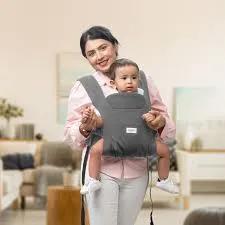
The Biomechanics of Babywearing: Avoiding Position Pitfalls for Your Baby’s Health
Introduction: Beyond Convenience
In the Mamaverse, a baby carrier is the ultimate freedom tool. It allows you to navigate the world hands-free while maintaining that vital skin-to-skin connection. However, babywearing is as much a science as it is a convenience. Many parents inadvertently make small positioning mistakes that can lead to infant discomfort or, in extreme cases, affect physical development.
At Mamaverse.co, we believe that a safe carry is a comfortable carry. By choosing an ergonomic baby carrier, you aren't just buying a bag for your baby; you're investing in a structural support system. This 1500-word guide breaks down the most common positioning mistakes and how to ensure your baby’s spine and hips are always in the "Green Zone."
1. The "M-Position": Protecting the Developing Hip
One of the most frequent mistakes is allowing a baby’s legs to hang straight down. This "dangling" position puts unnecessary pressure on the hip joints, which can increase the risk of hip dysplasia.
The Solution: Always ensure your StarAndDaisy baby carrier supports the baby from knee-to-knee. The knees should be slightly higher than the bottom, creating an "M" shape. This ensures the femoral head sits perfectly in the hip socket, promoting healthy joint development.
2. The "C-Curve": Supporting the Natural Spine
A newborn’s spine is naturally curved in a "C" shape. Forcing a baby into a rigid, upright, or "slumped" position in a loose carrier can strain their developing back muscles.
The Solution: A snug fit is essential. The carrier should be tight enough to keep the baby’s back supported in its natural curve without allowing them to slump. In a StarAndDaisy ergonomic carrier, the fabric tension is designed to provide this "second skin" support, keeping the spine aligned and the airways clear.
3. Temperature and Airflow: The Breathability Factor
Babies cannot regulate their body temperature as effectively as adults. A common mistake is using thick, non-breathable fabrics that lead to overheating, skin rashes, and a very fussy baby.
The Solution: Look for carriers featuring 3D Mesh or premium cotton. Our breathable baby carriers at StarAndDaisy prioritize moisture-wicking and airflow, ensuring that even in warm climates, the micro-climate between you and your baby remains cool and comfortable.
4. The "TICKS" Rule for Safety
Whenever you use your baby carrier, quickly run through the TICKS checklist:
- T: Tight (no slumping)
- I: In view at all times
- C: Close enough to kiss (baby's head should be high on your chest)
- K: Keep chin off chest (to protect airways)
- S: Supported back