Protein-Rich Foods for Pregnant Women
Discover the importance of protein during pregnancy and explore a variety of protein-rich foods to nourish both mother and baby.
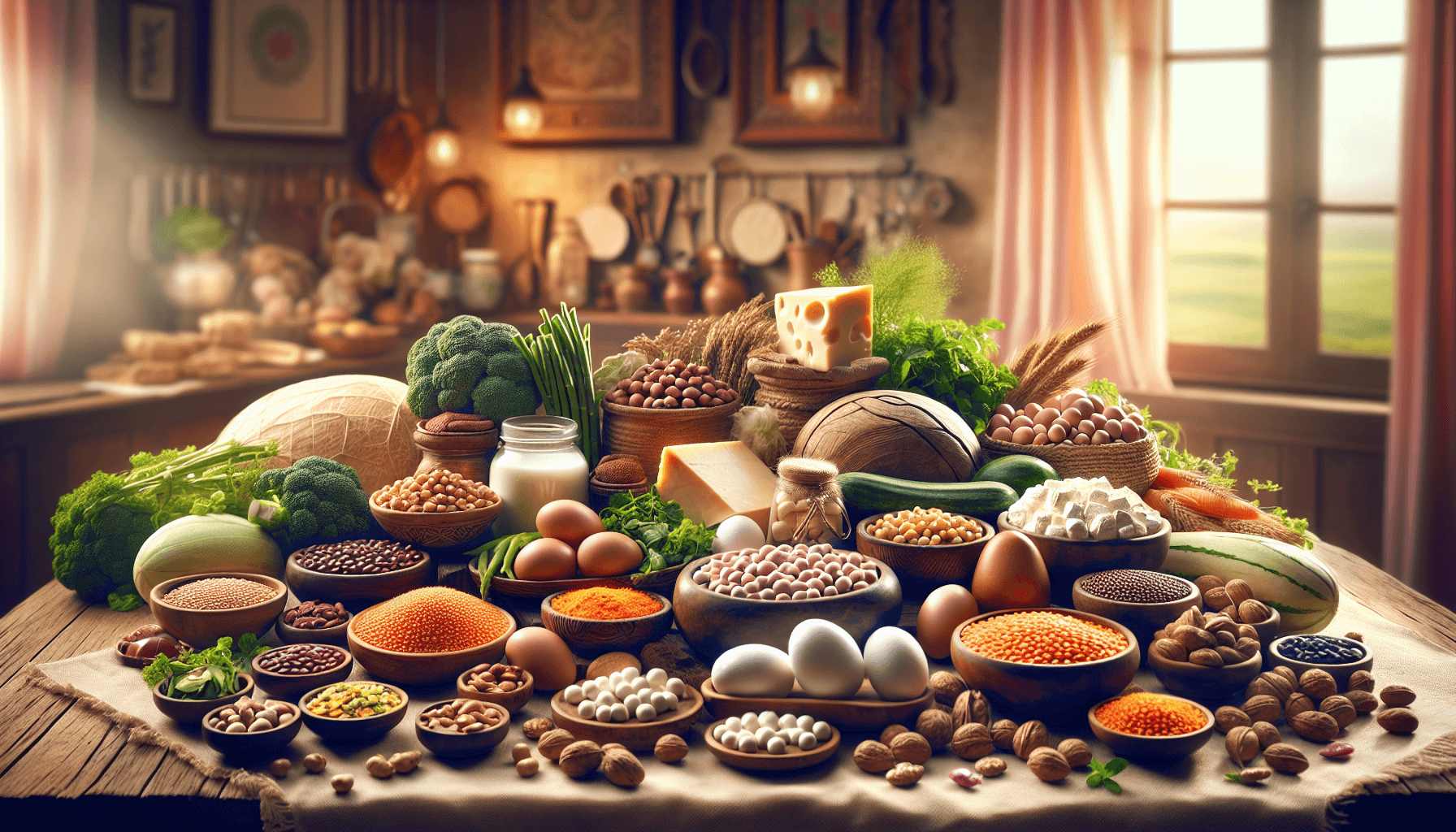
Protein-Rich Foods for Pregnant Women
Pregnancy is a time of immense change and growth, not just for the baby but for the mother as well. One of the most crucial dietary components during this journey is protein. This essential nutrient plays a vital role in the development of the baby's organs, muscles, and tissues, as well as supporting the mother's health. In this article, we will explore the importance of protein during pregnancy and highlight some delicious protein-rich foods that can help nourish both mother and baby.
Why is Protein Important During Pregnancy?
Protein is the building block of life and is essential for both the mother and the growing fetus. Here are some key reasons why protein is important during pregnancy:
- Supports Growth: Protein is crucial for the growth of the baby's cells and tissues, including the brain, muscles, and organs.
- Maintains Maternal Health: Adequate protein intake helps the mother maintain her muscle mass and overall health during pregnancy.
- Boosts Immune System: Protein strengthens the immune system, helping the mother to fight off infections during this vulnerable time.
- Prevents Complications: A protein-rich diet can reduce the risk of complications such as gestational diabetes and preeclampsia.
How Much Protein Do Pregnant Women Need?
According to health experts, pregnant women should aim to consume about 70-100 grams of protein per day, depending on their pre-pregnancy weight and activity level. It’s essential to incorporate a variety of protein sources in your diet to ensure you’re getting a balanced intake of amino acids.
Top Protein-Rich Foods for Pregnant Women
Here are some delicious and nutritious protein-rich foods that are perfect for pregnant women:
1. Lentils and Legumes
Lentils, chickpeas, and beans are excellent sources of protein and also provide fiber, iron, and folate, which are essential during pregnancy. You can enjoy them in soups, salads, or as a side dish.
2. Eggs
Eggs are a powerhouse of protein and contain essential nutrients like choline, which is vital for brain development. Enjoy them boiled, scrambled, or in an omelet for a hearty breakfast.
3. Dairy Products
Dairy products like milk, yogurt, and cheese are rich in protein and calcium. Opt for low-fat versions to keep your weight in check while ensuring you get enough nutrients.
4. Lean Meats
Lean meats such as chicken, turkey, and fish are excellent sources of high-quality protein. Fish, particularly, is rich in omega-3 fatty acids, which are beneficial for the baby's brain development. Ensure you choose low-mercury options like salmon and sardines.
5. Nuts and Seeds
Nuts and seeds are great snacks packed with protein, healthy fats, and fiber. Almonds, walnuts, chia seeds, and flaxseeds can be added to smoothies, yogurt, or eaten on their own.
6. Quinoa
Quinoa is a complete protein, meaning it contains all nine essential amino acids. It’s also gluten-free and versatile, making it an excellent substitute for rice or pasta in various dishes.
7. Tofu and Tempeh
For vegetarian and vegan mothers, tofu and tempeh are fantastic sources of protein. They are also rich in iron and calcium and can be used in stir-fries, salads, or soups.
Incorporating Protein into Your Diet
Here are some tips for incorporating more protein into your pregnancy diet:
- Start Your Day with Protein: Include eggs, yogurt, or protein smoothies as part of your breakfast.
- Snack Wisely: Choose protein-rich snacks like nuts, cheese, or hummus with veggies instead of sugary snacks.
- Add Protein to Meals: Enhance your meals with lentils, beans, or chicken for an extra protein boost.
- Plan Your Meals: Prepare a weekly meal plan that includes a variety of protein sources to keep your diet balanced.
Conclusion
Protein is an essential nutrient during pregnancy, contributing to the growth and development of your baby while supporting your health as well. By incorporating a variety of protein-rich foods into your diet, you can ensure that both you and your little one receive the nourishment you need. Remember to consult with your healthcare provider or a nutritionist for personalized dietary advice throughout your pregnancy journey.
Kanika
Author - Parenting and Maternal Wellness
Hi, I’m Kanika, a parenting and maternal wellness writer at Mamaverse. I’m passionate about creating clear, practical, and thoughtfully researched content that helps parents feel more informed and confident throughout their parenting journey. I write about pregnancy, newborn care, baby development, toddler care, child development, parenting challenges, and family well-being. Before creating content, I focus on understanding the topic carefully and referring to reliable and authoritative sources, especially when the subject involves health, safety, or child development. Through Mamaverse, my goal is to simplify overwhelming parenting information into guidance that is easy to understand and useful in everyday life. I also believe that every pregnancy, child, and family is different, so my content is designed to educate and support—not replace personalized advice from qualified healthcare professionals. My Areas of Focus: Pregnancy, Maternal Wellness, Newborn Care, Baby Care, Toddler Care, Child Development, Parenting, and Family Well-being
Comments (0)
Leave a Comment
Related Articles

Post-delivery bleeding (lochia): what's normal?
Understanding postpartum bleeding and when to seek medical help.
Iron-Rich Foods During Pregnancy
Discover the importance of iron-rich foods during pregnancy and how they support both mother and baby's health. Get tips and food ideas!

Back pain during pregnancy: reasons & relief
Common causes of pregnancy back pain and safe relief methods.

Is it safe to travel during pregnancy? (car/train/flight)
Travel guidelines for pregnant women in India - car, train, and flight safety.