Potty Training 101: 5 Simple Steps to Start Your Toddler’s Journey Today
Potty Training 101: 5 Simple Steps to Start Your Toddler’s Journey Today
Potty Training 101: 5 Simple Steps to Start Your Toddler’s Journey Today
Timing the Transition
In the "Mamaverse," we know that potty training isn't just about age—it’s about readiness. Most toddlers show signs of being ready between 18 and 30 months, but forcing the issue too early can lead to power struggles. This guide provides a clinical yet parent-friendly roadmap to using your StarAndDaisy training seat effectively from Day 1.
1. Identifying Readiness Cues
Before you even bring out the potty, look for these biological signals:
- Dry Intervals: Staying dry for at least two hours at a time.
- The "Hideaway" Habit: Going into another room or hiding behind the sofa to soil their diaper.
- Physical Ability: The ability to walk to the bathroom and pull their pants up and down.
2. Establishing the "Home Base"
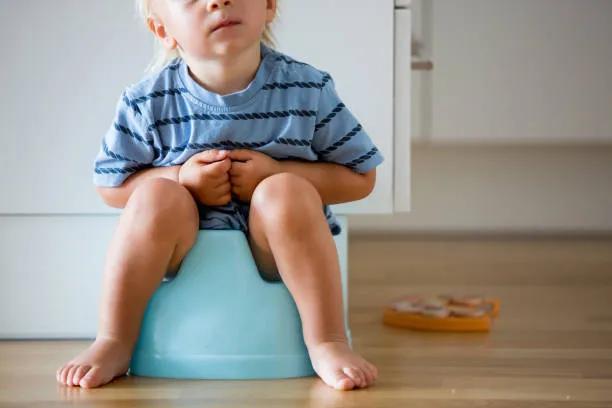
Consistency is key. Place your StarAndDaisy standalone potty in a consistent location, preferably on a non-carpeted surface.
The Anatomy of Comfort: A toddler’s feet must be flat on the floor to relax the Puborectalis Muscle. When the knees are positioned slightly above the hips, the colon straightens, making the process much easier for your little one.
3. The "Naked Hour" Technique
Many experts suggest letting the child go without a diaper for a short period each day. Without the "safety net" of a diaper, the child becomes more aware of the physical sensation of needing to go. When you see the "potty dance," lead them gently to their StarAndDaisy seat. This builds "Neural Mapping"—the brain's ability to link internal pressure with the need to sit on the potty.
4. Using "Mini-Me" Motivation
Toddlers are hardwired for Social Mimicry. If you are using a StarAndDaisy toilet trainer seat (the kind that fits on the adult toilet), show them how you use the bathroom. Seeing the "Big Toilet" as a normal, non-scary place helps desensitize the loud flushing sounds and high seating that often intimidate small children.
5. Positive Reinforcement vs. Pressure
Celebrate the attempts, not just the successes. If they sit on the potty for 2 minutes without doing anything, that’s still a win! Avoid using shame for accidents. Instead, use a "High-Five" system or a simple sticker chart. Check the StarAndDaisy app for potty seats with colorful, kid-friendly designs that make the "Throne" look like a fun place to be.
Conclusion
Potty training is a marathon, not a sprint. By watching for readiness cues and providing a stable, ergonomic environment with StarAndDaisy gear, you’re giving your child the tools they need to succeed. Stay patient, stay positive, and keep the wipes handy!