Parenting Routines That Help Children Develop Discipline
Discover effective parenting routines that instill discipline in children. Learn how to create a nurturing environment for better behavior.
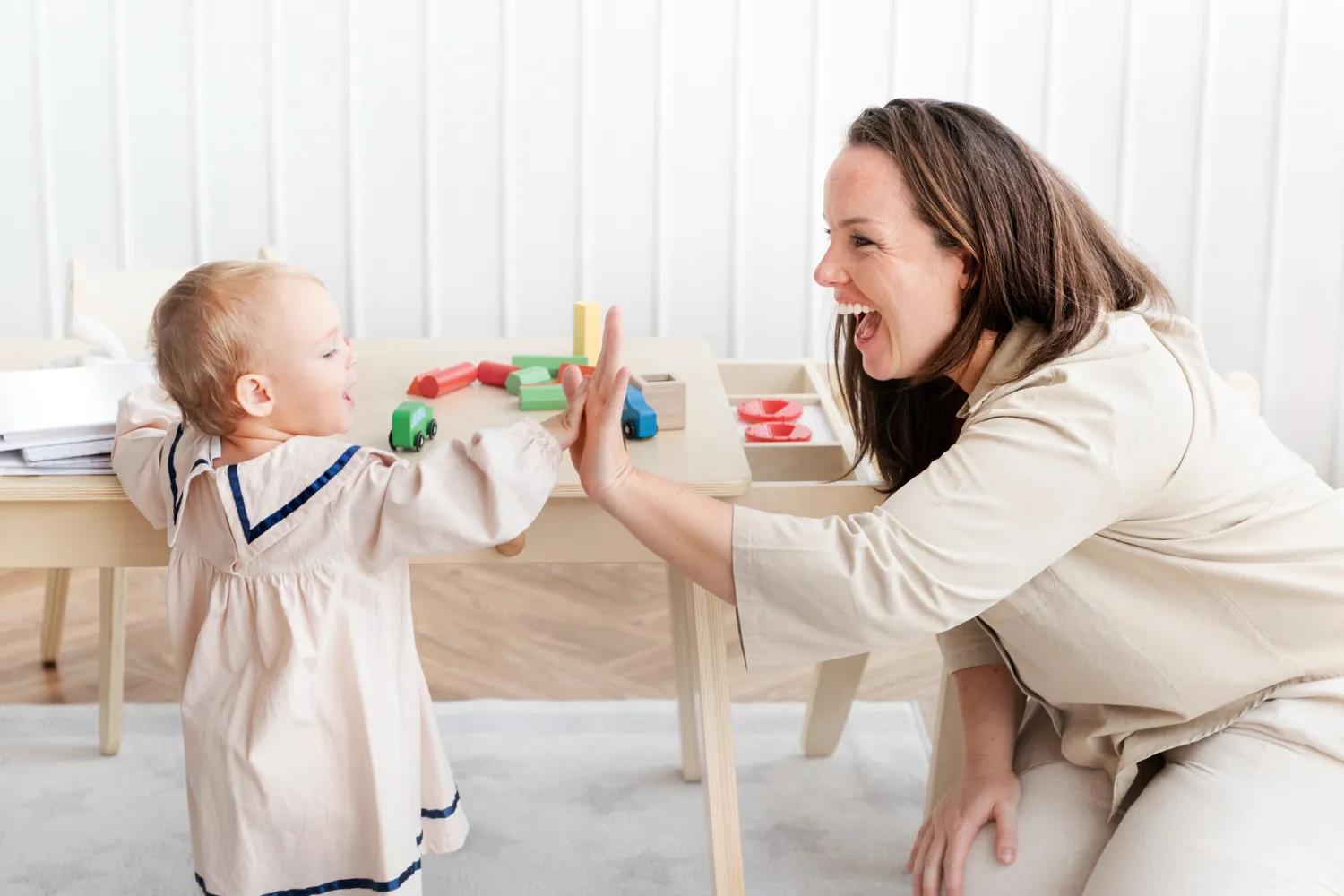
Parenting Routines That Help Children Develop Discipline
Every parent desires to raise well-behaved and disciplined children. Discipline is not just about enforcing rules; it is about guiding children to understand the importance of responsibility and self-control. Establishing consistent routines can significantly contribute to a child's ability to develop discipline. In this blog post, we will explore effective parenting routines that can help foster discipline in your little ones.
1. Establish a Daily Routine
Children thrive on predictability, and having a daily routine helps them understand what is expected of them. A structured schedule provides a sense of security and helps children feel more in control of their environment. Here are some tips for establishing a daily routine:
- Set Regular Wake-Up and Bedtimes: Consistent sleep patterns are crucial for your child's physical and mental development. Aim for the same time every day.
- Incorporate Meal Times: Designating specific times for meals helps children learn the importance of time management and responsibility.
- Include Play and Study Times: Balance is key. Allocate time for both educational activities and leisure to promote well-rounded development.
2. Create Clear Expectations
Children need to understand what behaviors are acceptable and what are not. Clearly communicating your expectations sets the foundation for discipline. Consider these points:
- Use Simple Language: Explain rules in a way your child can easily understand. For example, instead of saying "Be nice," you can say, "Share your toys with your friends."
- Involve Your Child: Engage your child in the process by discussing rules together. This can help them feel more invested in following them.
- Be Consistent: Consistency is crucial for discipline. Ensure that rules are enforced consistently across different situations.
3. Implement Positive Reinforcement
Encouraging good behavior through positive reinforcement is a powerful way to instill discipline. Rather than only focusing on punishment for misbehavior, celebrate the positives:
- Use Praise: Acknowledge your child's good behavior with specific praise. For instance, "I’m so proud of you for sharing your toys today!"
- Reward Systems: Consider implementing a reward system where children earn points for positive behaviors that can be exchanged for small privileges or treats.
4. Teach Consequences
Understanding consequences is a key aspect of developing discipline. Children need to learn that actions have results, both positive and negative. Here’s how to guide them:
- Natural Consequences: Allow your child to experience the natural consequences of their actions when safe to do so. For instance, if they refuse to wear a jacket on a chilly day, let them feel the cold.
- Logical Consequences: Set logical consequences that relate to the behavior. If a child refuses to clean up their toys, they may lose the privilege of playing with them for a day.
5. Foster Emotional Awareness
Teaching children to understand and manage their emotions is vital for developing self-discipline. Encourage emotional awareness with these strategies:
- Model Emotional Regulation: Show your child healthy ways to cope with feelings. For example, demonstrate deep breathing when frustrated.
- Encourage Expression: Create a safe space for your child to express their emotions. Ask them how they feel and help them label their emotions.
6. Be a Role Model
Children learn a lot by observing their parents. Being a positive role model can have a lasting impact on their behavior. Here are some ways to set a good example:
- Exhibit Discipline: Show your child what discipline looks like in your daily life. Whether it’s sticking to a budget or completing tasks on time, demonstrate commitment.
- Practice Patience: Exhibit patience in challenging situations. This helps your child learn to be patient and understanding as well.
Conclusion
Discipline is a vital skill that can be nurtured from an early age through consistent parenting routines. By establishing a daily routine, creating clear expectations, implementing positive reinforcement, teaching consequences, fostering emotional awareness, and being a role model, you can help your child develop the discipline they need to thrive. Remember that every child is unique, and it’s essential to tailor your approach to fit your child's individual needs. With love and patience, you can guide your little one toward a bright, disciplined future.
Kanika
Author - Parenting and Maternal Wellness
Hi, I’m Kanika, a parenting and maternal wellness writer at Mamaverse. I’m passionate about creating clear, practical, and thoughtfully researched content that helps parents feel more informed and confident throughout their parenting journey. I write about pregnancy, newborn care, baby development, toddler care, child development, parenting challenges, and family well-being. Before creating content, I focus on understanding the topic carefully and referring to reliable and authoritative sources, especially when the subject involves health, safety, or child development. Through Mamaverse, my goal is to simplify overwhelming parenting information into guidance that is easy to understand and useful in everyday life. I also believe that every pregnancy, child, and family is different, so my content is designed to educate and support—not replace personalized advice from qualified healthcare professionals. My Areas of Focus: Pregnancy, Maternal Wellness, Newborn Care, Baby Care, Toddler Care, Child Development, Parenting, and Family Well-being
Comments (0)
Leave a Comment
Related Articles

Portable Baby Bassinets for Travel-Friendly Parenting
Discover the benefits of portable baby bassinets and how they make travel easier for parents. Explore options for safe and comfy sleep on the go.

Common Mistakes First-Time Parents Make (And How to Avoid Them)
Navigating parenthood can be overwhelming. Discover common mistakes first-time parents make and how to avoid them for a smoother journey.
Minimalist Parenting: Buy Less but Choose Smart
I used to think loving my baby meant buying everything in the baby aisle. Six months later, her favourite toy was a wooden spoon—and half the products sat unused. That’s when minimalist parenting made sense.
Indoor vs Outdoor Baby Gear: What Modern Parents Should Invest In
Indoor vs outdoor baby gear—what should parents actually invest in? A practical guide to help you spend smart based on your lifestyle.