Nighttime and Beyond: How to Handle Common Potty Training Hurdles and Bedwetting
Nighttime and Beyond: How to Handle Common Potty Training Hurdles and Bedwetting
Nighttime and Beyond: How to Handle Common Potty Training Hurdles and Bedwetting
The "Second Stage" of Training
Once your child is dry during the day, you might think the job is done—until the first nighttime accident happens. In the "Mamaverse," we distinguish between Functional Training (daytime habits) and Biological Maturation (nighttime bladder control). This guide helps you navigate setbacks, from nighttime dryness to the common "potty plateau."
1. The Science of Nighttime Dryness
Nighttime potty training isn't about "learning" in the traditional sense; it's about the production of ADH (Antidiuretic Hormone). This hormone naturally tells the kidneys to produce less urine during sleep.
The Reality: Some children don't produce enough ADH until they are 5 or 6 years old.
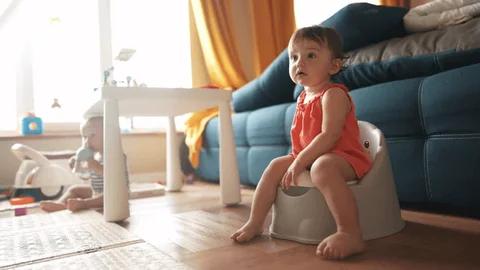
The Strategy: Keep a StarAndDaisy potty next to their bed. A "close-range" option reduces the fear of walking through a dark hallway, making them more likely to attempt a midnight break.
2. Handling the "Potty Plateau"
It’s common for children to do well for a week and then suddenly start having accidents again. This is often due to Cognitive Overload—they are so busy learning a new skill (like talking or climbing) that their brain "forgets" to monitor their bladder.
The Fix: Go back to basics for a few days. Increase the frequency of "potty reminders" and ensure their StarAndDaisy seat is always accessible and clean.
3. Dealing with Constipation (The Hidden Hurdle)
If a child has one painful bowel movement, they may start "holding it in" to avoid pain. This creates a cycle of constipation that makes potty training difficult.
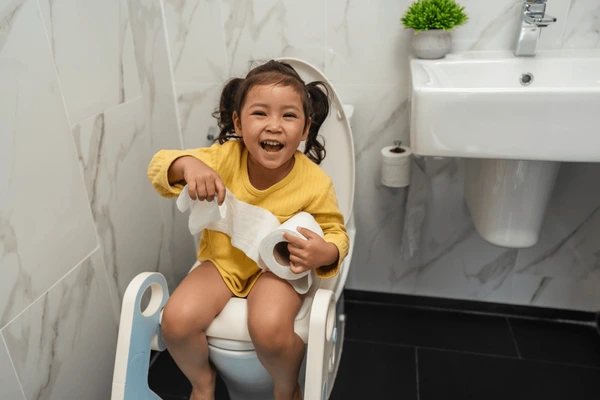
The Solution: Ensure they are in the optimal squatting position on their StarAndDaisy seat. When a child has a footrest to push against, the pelvic floor relaxes, significantly reducing the straining force required for elimination.
4. The Power of "Independence"
As children enter the "I can do it myself!" stage, use it to your advantage. A StarAndDaisy ladder-style trainer allows them to climb the toilet, sit down, and finish the process without a parent's physical help. This sense of Autonomy is a powerful motivator for toddlers and reduces the power struggles often associated with bathroom time.
5. When to Seek Professional Advice
If your child is over 4 and still having frequent daytime accidents, or if they seem to be in pain, consult a pediatrician to rule out UTIs or structural issues. Most of the time, however, the answer is simply more time, consistency, and a more comfortable StarAndDaisy seat.
Conclusion
Potty training is a journey of ups and downs. By understanding the hormonal science of nighttime dryness and ensuring your child has the ergonomic support of a StarAndDaisy trainer, you can navigate these hurdles with ease. Check out our full range of training solutions on the app today!