How Play Improves Toddler Brain Development
Discover how playtime is crucial for your toddler's brain development. Engaging activities can enhance cognitive skills and creativity.
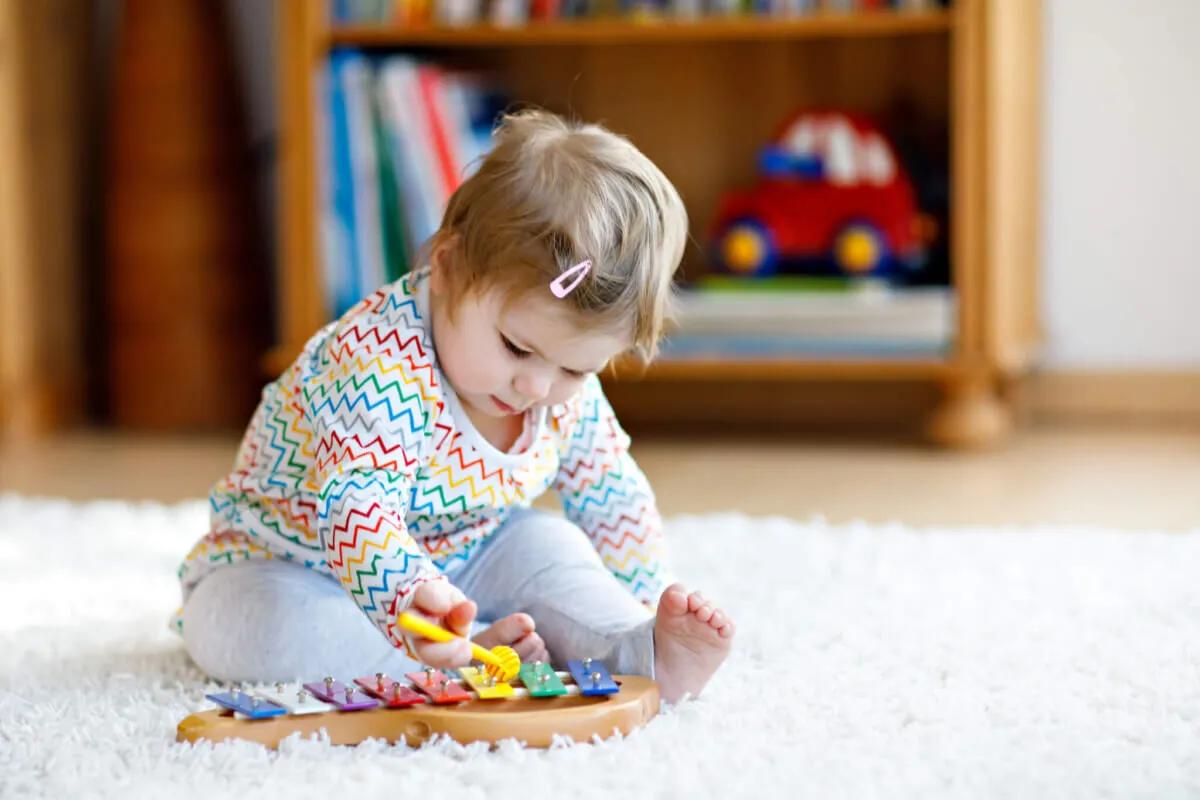
How Play Improves Toddler Brain Development
As a parent, you may often wonder how to best support your toddler's growth and development. One of the most effective and enjoyable ways to do so is through play. Play is not just a fun activity; it is a vital component of brain development in toddlers. In this article, we will explore how different types of play contribute to your child's cognitive, emotional, and social growth.
The Importance of Play
Play is essential for toddlers as it helps them learn about the world around them. Through play, children develop critical skills that they will use throughout their lives. The World Health Organization emphasizes that play is a fundamental right of every child, and it plays a significant role in their overall development.
Types of Play and Their Benefits
- Physical Play: Activities like running, jumping, and climbing help develop motor skills and coordination. Physical play releases endorphins, which contribute to a positive mood and encourage further exploration.
- Social Play: Interacting with peers during play fosters social skills, such as sharing, empathy, and teamwork. These skills are crucial for building relationships later in life.
- Creative Play: Engaging in arts and crafts, building with blocks, or imaginative games stimulates creativity and problem-solving abilities. It encourages children to think outside the box.
- Symbolic Play: Pretend play, such as playing house or role-playing, helps toddlers understand abstract concepts and enhances their cognitive flexibility.
- Constructive Play: Building structures with toys like LEGO or blocks encourages spatial awareness and critical thinking as children learn to plan and execute their ideas.
How Play Enhances Brain Development
Research has shown that play positively influences brain development in several ways:
- Neural Connections: During play, toddlers engage in various activities that stimulate different parts of their brains. This stimulation promotes the formation of neural connections, which are essential for cognitive development.
- Language Skills: Play often involves communication, whether through storytelling, singing, or dialogue during role-playing. This practice enhances vocabulary, language comprehension, and social communication skills.
- Problem-Solving Skills: When children engage in play, they encounter challenges that require them to think critically and develop solutions. This process strengthens their problem-solving abilities.
- Emotional Regulation: Through play, toddlers learn to manage their emotions, express feelings, and develop resilience. This emotional intelligence is vital for their overall well-being.
Creating a Play-Friendly Environment
As a parent, you can create an environment that encourages play and exploration. Here are some tips:
- Provide a variety of toys and materials that stimulate creativity and curiosity. Consider options like blocks, art supplies, musical instruments, and books.
- Encourage outdoor play by taking your child to parks or nature trails. Nature offers endless opportunities for exploration and physical activity.
- Limit screen time and encourage interactive play instead. Engaging with your child in games or activities fosters bonding and enhances development.
- Join in the play! Participating in your child's play not only strengthens your bond but also provides guidance and support as they explore new concepts.
Conclusion
Play is a powerful tool for enhancing your toddler's brain development. By encouraging various forms of play, you are not only providing your child with enjoyment but also laying the foundation for their cognitive, emotional, and social growth. As you engage with your little one in play, remember that every moment spent together contributes to their lifelong learning journey.
Dr. Vandana Raghav
Pediatrician & Child Health Expert
Hi, I’m Vandana Raghav, a pediatrician and child health expert associated with Mamaverse. My work is focused on helping parents better understand their child’s health, growth, development, nutrition, and overall well-being through reliable and practical guidance. As a pediatrician, I understand that parents often have questions and concerns at every stage of their child’s development. Through Mamaverse, I aim to make medically complex topics easier to understand while providing evidence-informed information that parents can use to have more informed conversations about their child’s care. My areas of interest include newborn care, infant health, child growth and development, nutrition, feeding, sleep, common childhood health concerns, preventive care, and overall child wellness. I believe trustworthy parenting and child-health information should be accurate, responsible, and easy to understand. My goal is to help Mamaverse provide parents with dependable health information while encouraging them to consult their pediatrician or other qualified healthcare professional whenever individualized medical assessment, diagnosis, or treatment is required. My Areas of Expertise: Pediatrics, Newborn Care, Infant Health, Child Health, Growth and Development, Child Nutrition, Preventive Care, Parenting and Child Wellness
Comments (0)
Leave a Comment
Related Articles
Baby Feeding Made Easy: How to Choose the Right High Chair for Your Baby
The first time I placed my baby in a high chair, it felt like a milestone—until the food started flying. Choosing the right high chair can make mealtimes safer, easier, and far less chaotic.

The Art of Gentle Weaning: Moving from Milk to Solids Smoothly
The day I offered my daughter her first spoonful of rice water, she looked at me like I had personally betrayed her. By week three, she was grabbing the spoon. Weaning is a journey, not a deadline.

Best Baby Carriers in India 2026: Types, Safety & Buying Guide
A good baby carrier is your hands-free parenting superpower. But with so many types available in India, choosing the right one can be overwhelming. This guide makes it simple.

Healthy Diet Chart for Toddlers
Discover a nutritious diet chart tailored for toddlers that ensures balanced meals. Learn how to make mealtime enjoyable and healthy!