How and When to Stop Pacifier Use: A Stress-Free Guide for Parents
Breaking up with the pacifier doesn't have to be a tearful battle. Explore 5 proven methods to help your toddler give up their pacifier for good.
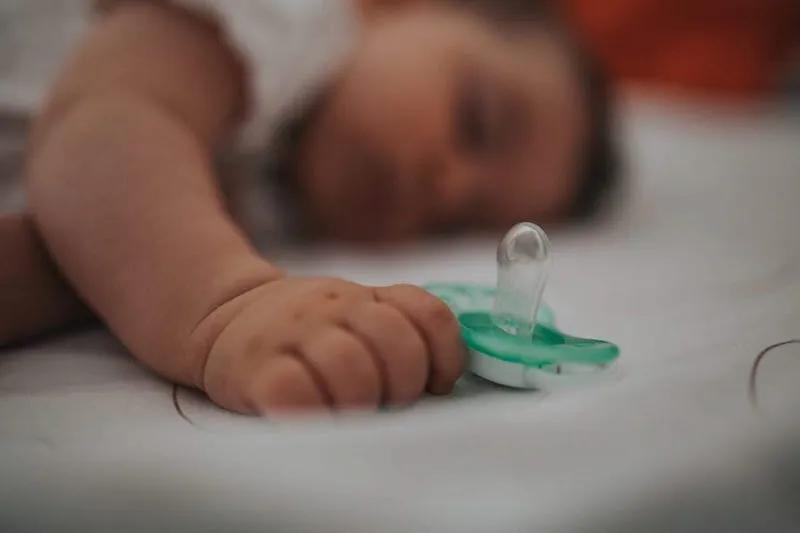
How and When to Stop Pacifier Use: A Stress-Free Guide for Parents
The pacifier—or "binky," "soothie," or "dummy"—is often a parent’s best friend during those long nights and fussy afternoons. It’s a powerful tool for self-soothing, but as your baby transitions into a toddler, that trusty silicone friend can start to feel like a permanent fixture.
At Mamaverse, we know that "breaking up" with the pacifier is one of the most daunting milestones on a parent's to-do list. You worry about the tears, the lost sleep, and how your little one will cope without their favorite comfort object.
Take a deep breath! Transitioning away from the pacifier is a normal part of development. With the right timing and a gentle strategy, you can help your child move on without the drama.
When is the Right Time to Stop?
There is no single "perfect" day to ditch the pacifier, but dental and developmental experts generally suggest a timeline to avoid long-term issues.
The 6-Month Mark: Some parents choose to limit pacifier use to sleep times only starting around 6 months. This helps prevent the "habit" from becoming a "dependency" during waking hours.
The 12-Month Milestone: Many pediatricians recommend weaning around the first birthday. At this age, babies are starting to develop language, and a pacifier in the mouth can sometimes hinder speech practice.
The 2-Year Deadline: Most pediatric dentists agree that pacifier use should ideally stop by age 2. Prolonged sucking beyond this point can lead to "pacifier teeth"—where the front teeth tilt forward or the bite becomes misaligned.
The Golden Rule: Avoid weaning during big life transitions. If you are moving houses, starting potty training, or welcoming a new sibling, wait a few weeks. Your child needs their comfort most during times of change.
5 Effective Strategies to Say Goodbye
Every child is different. Some toddlers are ready to go "cold turkey," while others need a slow and steady approach. Here are the most successful methods we’ve seen in the Mamaverse community:
1. The "Sleep Only" Rule (The Gradual Fade)
Start by limiting the pacifier to the crib. If they want it during the day, explain that "Binky stays in the bed for nap time." This helps the child realize they can function, play, and be happy during the day without it. Once they are comfortable with that, you can move toward removing it from the nighttime routine.
2. The "Pacifier Fairy"
This is a magical favorite for toddlers aged 2 and up. Tell your child that the Pacifier Fairy (or a "Binky Bird") needs to collect old pacifiers for new babies who don't have any. Have your child help you pack them into a special box and leave it on the doorstep. In the morning, the pacifiers are gone, and the fairy has left a "big kid" gift (like a new stuffed animal or a special book) in their place.
3. The "Broken" Pacifier
Safety first: This method involves snipping the tip off the pacifier (or poking a small hole in it) so that it loses its "suction" power. When the child tries to suck, it doesn't feel the same. Often, the child will simply lose interest because it’s no longer satisfying.
Warning: Always inspect the pacifier to ensure no small pieces can break off and become a choking hazard.
4. The Big Exchange
Take your child to the store and let them pick out a "Big Kid" toy. At the checkout, let them "pay" for the toy by handing over their pacifiers to the cashier (or a helpful family member). This gives the child a sense of agency and a tangible reward for their bravery.
5. Cold Turkey
For some kids, a clean break is best. Pick a weekend when you don't have many plans, explain that the pacifiers are going away, and remove them all from the house. Be prepared for 2–3 nights of protest, but usually, by night four, the child has found a new way to soothe.
Tips for a Smooth Transition
Introduce a New Lovey: Before you take the pacifier away, introduce a soft blanket or a stuffed animal. This gives them a new way to self-soothe that won't affect their dental health.
Be Consistent: If you decide it's over, stay strong! Giving the pacifier back after an hour of crying only teaches your child that crying louder gets them what they want.
Use Positive Reinforcement: Use a sticker chart! Every nap or night they go without the binky, they get a sticker. Five stickers equals a small treat or a trip to the park.
Prepare for "The Dip": Expect a few days of extra fussiness. It’s a grieving process for them. Offer extra cuddles, longer bedtime stories, and lots of verbal praise.
Kanika
Author - Parenting and Maternal Wellness
Hi, I’m Kanika, a parenting and maternal wellness writer at Mamaverse. I’m passionate about creating clear, practical, and thoughtfully researched content that helps parents feel more informed and confident throughout their parenting journey. I write about pregnancy, newborn care, baby development, toddler care, child development, parenting challenges, and family well-being. Before creating content, I focus on understanding the topic carefully and referring to reliable and authoritative sources, especially when the subject involves health, safety, or child development. Through Mamaverse, my goal is to simplify overwhelming parenting information into guidance that is easy to understand and useful in everyday life. I also believe that every pregnancy, child, and family is different, so my content is designed to educate and support—not replace personalized advice from qualified healthcare professionals. My Areas of Focus: Pregnancy, Maternal Wellness, Newborn Care, Baby Care, Toddler Care, Child Development, Parenting, and Family Well-being
Comments (0)
Leave a Comment
Related Articles

Baby Feeding Schedule for Newborns (0-6 Months Guide)
Navigating your newborn's feeding schedule can be challenging. Discover essential tips and insights for feeding your baby from 0 to 6 months.
The Ultimate Baby Essentials Checklist for New Parents
Navigating the world of baby products? Our ultimate essentials checklist helps new parents prepare for their little one's arrival with ease.

Newborn umbilical cord care: do's & don'ts
Proper care for your baby's umbilical cord stump.

Must-Have Newborn Care Essentials for First-Time Parents
Discover essential newborn care items every first-time parent needs for their little one. Make your parenting journey smoother and more joyful!