From Car to Crib: The Parent’s Guide to Using Carry Cots and Car Seats Safely Every Day
From Car to Crib: The Parent’s Guide to Using Carry Cots and Car Seats Safely Every Day
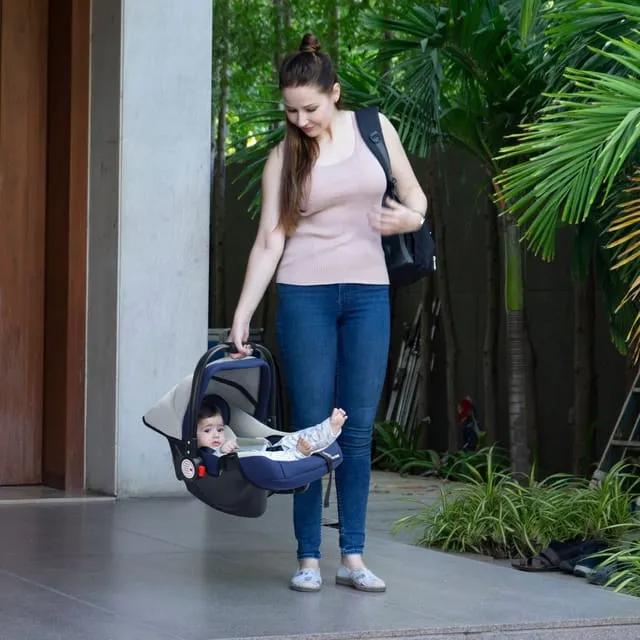
From Car to Crib: The Parent’s Guide to Using Carry Cots and Car Seats Safely Every Day
Introduction: The Versatility of Portable Comfort
In the Mamaverse, the first few months of parenthood are defined by mobility. Whether you are leaving the hospital, visiting grandparents, or simply trying to move a sleeping baby from the car to the living room without waking them, your carry cot and car seat are your most used tools. However, there is often confusion about the difference between the two and how long a baby should stay in them.
This 1500-word guide is designed to simplify the technical side of portable baby gear. We will explore the "2-Hour Rule" for car seats, the spinal benefits of a flat-bed carry cot, and how StarAndDaisy engineering ensures that your baby’s transition from vehicle to home is seamless and secure. At Mamaverse.co, we believe that when you understand the gear, you gain the confidence to travel further.
1. The Carry Cot: A Mobile Sanctuary for Newborns
For the first 0-6 months, a carry cot is the gold standard for travel. Unlike a car seat, which has a semi-upright incline, a carry cot allows for a "True Flat" sleeping position.
- Respiratory Safety: A flat surface keeps the baby's airway fully open, which is critical for newborns who cannot yet support their own heads.
- Spinal Alignment: Constant use of inclined seats can put pressure on a developing spine. A StarAndDaisy carry cot provides the firm, level support needed for healthy bone growth.
- Portability: Look for lightweight frames. Our carry cots are designed to be "click-and-go," attaching directly to stroller frames or standing independently as a temporary moses basket.
2. Understanding the "Infant Car Seat" vs. "Carry Cot"
While they may look similar, their engineering serves different purposes.
The Car Seat: Designed for impact protection. It uses high-density EPS foam and a 5-point harness to secure the baby during a collision.
The Carry Cot: Designed for extended sleep. While some carry cots are safety-rated for vehicle use, most are intended for strolling and resting. Using a StarAndDaisy Travel System allows you to have the best of both worlds—a safety-tested car seat for the drive and a breathable carry cot for the destination.
3. The "2-Hour Rule" and Why It Matters
Pediatricians and safety experts recommend that babies should not stay in a semi-upright baby car seat for longer than two hours at a time.
The Science: The "slumped" position in a car seat can cause oxygen saturation levels to drop over long periods. If you are on a long road trip, Mamaverse.co recommends stopping every 90 minutes to take the baby out, stretch their limbs, and ideally, let them rest flat in a StarAndDaisy carry cot for a while to reset their posture.
4. Material Safety and Hygiene
Portable gear is prone to messes—milk spills, diaper leaks, and sweat.
- Removable Liners: Ensure your seat or cot has machine-washable fabrics. StarAndDaisy gear is designed with "Easy-Zip" technology, allowing you to strip the fabric for a deep clean without dismantling the entire structure.
- Breathable Fabrics: Look for 3D mesh linings that prevent heat buildup, especially in the tropical Indian climate.