Here's the truth: clutter causes stress, and stressed parents don't parent well. Getting organized is self-care. Let's do this.
</p>
<h2>Step 1: The Great Baby Stuff Audit</h2>
<p>
Before you organize, you need to edit. Not everything that arrived needs to stay.
</p>
<p><strong>Sort Into Four Categories:</strong></p>
<ul>
<li>Keep Now — items you use daily or weekly</li>
<li>Keep Later — clothes and products for the next size/stage (store separately)</li>
<li>Donate — items in good condition your baby has outgrown</li>
<li>Discard — items that are worn, unsafe, or broken</li>
</ul>
<p>
Do this audit monthly in the first year. Babies grow at warp speed and what fit last month won't fit this month.
</p>
<h2>Step 2: Zone Your Home</h2>
<p>
Assign specific zones to baby items so nothing ever needs to be searched for:
</p>
<ul>
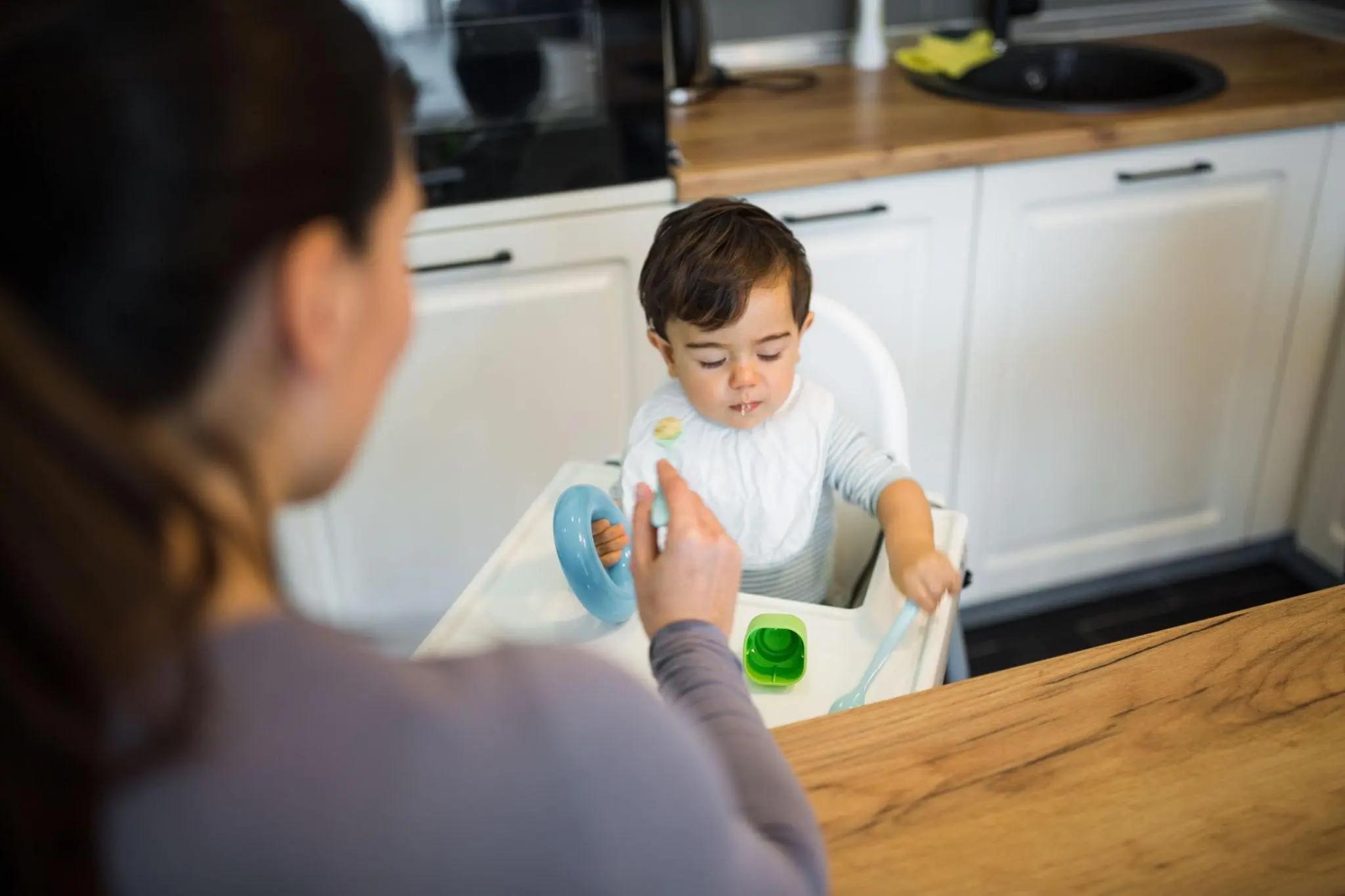
<li><strong>Feeding Zone:</strong> High chair, bibs, weaning spoons, food containers — all in or near the kitchen/dining area</li>
<li><strong>Changing Zone:</strong> Diapers, wipes, creams, and spare outfits — one dedicated spot only</li>
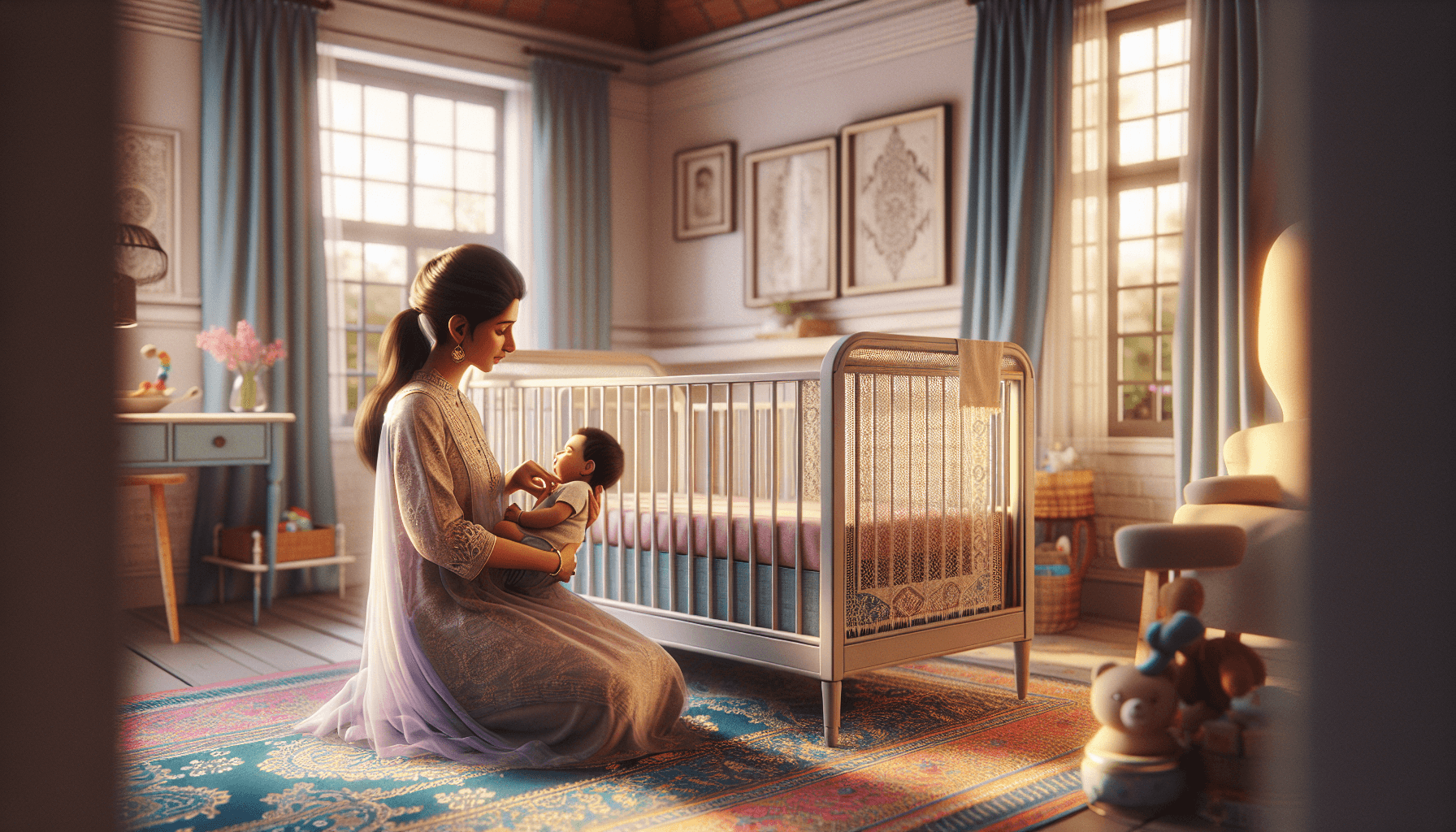
<li><strong>Sleep Zone:</strong> Nursery, with everything needed for bedtime within arm's reach</li>
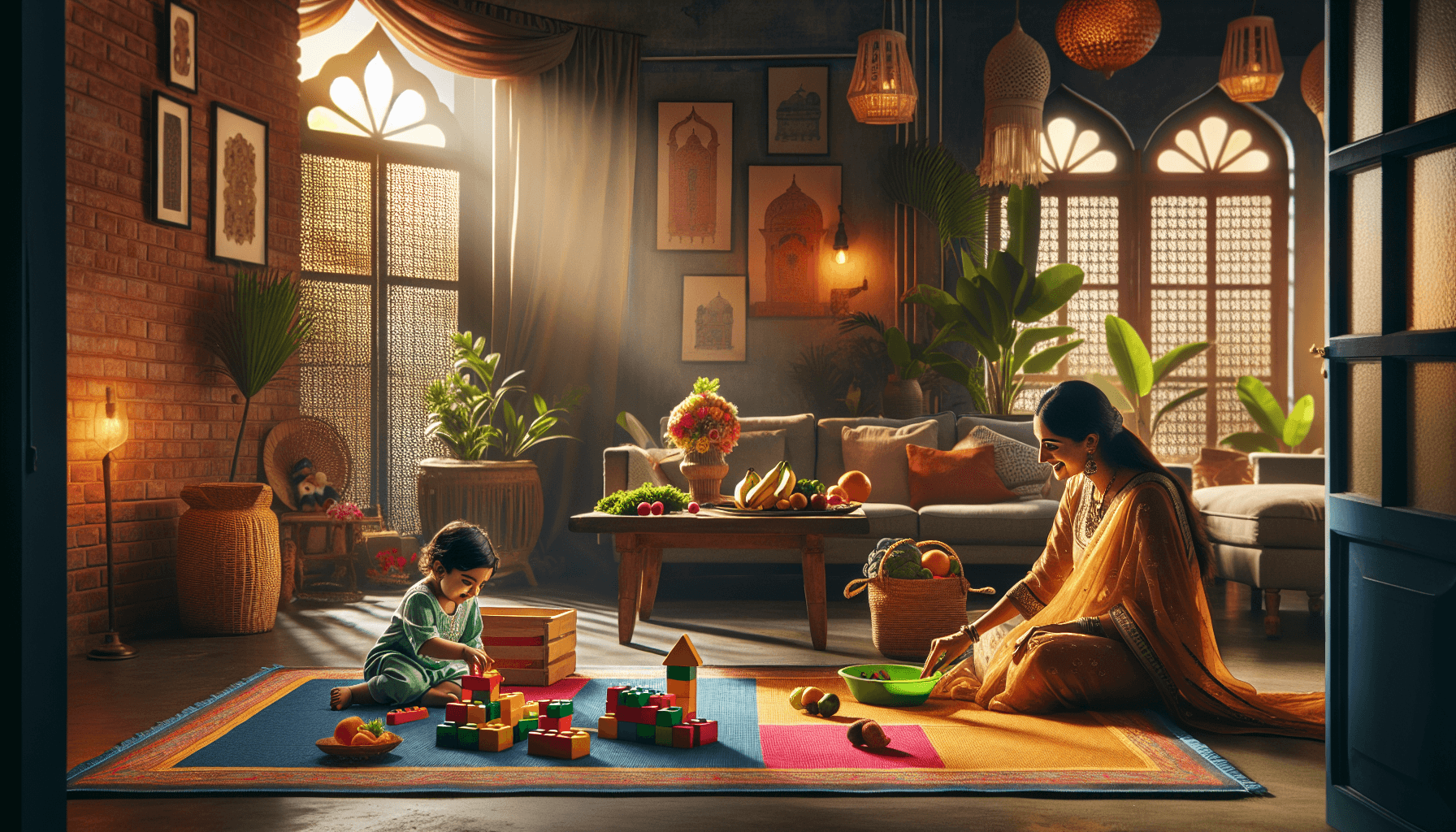
<li><strong>Play Zone:</strong> Toys, activity mats, and books — confined to one area</li>
<li><strong>Go Bag Zone:</strong> Diaper bag, carrier, and stroller — near the front door</li>
</ul>
<h2>Step 3: Smart Storage Solutions</h2>
<h3>For Baby Clothes:</h3>
<ul>
<li>Use drawer dividers to separate sizes and seasons</li>
<li>Hang by size (0-3M, 3-6M, etc.) with simple labels</li>
<li>Store future sizes in vacuum storage bags to save space</li>
</ul>
<p>
<a href = "https://snd.in/collections/baby/storage-cupboard/">The StarAndDaisy Wardrobe Storage and Cupboard range includes baby-specific organizers with soft-close drawers and ample sections — keeping tiny clothes organized without requiring a walk-in wardrobe. </a>
</p>
<h3>For Toys:</h3>
<ul>
<li>Rotate toys — keep only 6–8 toys accessible at a time</li>
<li>Use open bins at low levels so babies can access (and return) their own toys</li>
<li>One large basket for soft toys, one for stacking/building toys, one for sensory toys</li>
</ul>
<h3>For Diaper Station:</h3>
<ul>
<li>A small caddy with sections for diapers, wipes, cream, and a spare set of clothes</li>
<li>Mount a small shelf above changing area for grab-and-go access</li>
<li>Keep a backup supply in a drawer below — never run to another room mid-change</li>
</ul>
<h2>Step 4: The Go-Bag System</h2>
<p>
<a href = "https://snd.in/collections/baby/diaper-bags/">Your diaper bag should be restocked every evening — not assembled in a panic each morning. Keep a dedicated checklist on your phone or inside the bag. </a>
</p>
<h2>Step 5: One-In, One-Out Rule</h2>
<p>
For every new baby item that enters your home, one item should leave. A new toy arrives as a gift? Donate one that's no longer used. New clothes from relatives? Box up the outgrown ones immediately. This rule alone will prevent the avalanche from returning.
</p>
<h2>Conclusion</h2>
<p>
A calm home doesn't happen accidentally — especially with a baby. It's built with intention, smart systems, and the willingness to let go of what no longer serves your family. You deserve a home that feels peaceful, even on the hardest days.
</p>
<p>
Start with one zone. Get it right. Then move to the next. You don't have to do it all at once — you're also raising a human.
</p>
<h2>Frequently Asked Questions (FAQs)</h2>
<p><strong>Q1.</strong> How do I organize baby clothes by size?</p>
<p>Use drawer dividers or separate bins labeled by size (0-3M, 3-6M, etc.). Hang clothes in order of size in the wardrobe. Sort regularly as your baby grows.</p>
<p><strong>Q2.</strong> What is the best way to store baby toys?</p>
<p>Low, open bins accessible to your baby work best. Rotate toys monthly — storing half and swapping — keeps the play area fresh and manageable.</p>
<p><strong>Q3.</strong> How often should I declutter baby items?</p>
<p>Once a month in the first year, and every 2–3 months after. Babies outgrow things fast and regular decluttering prevents accumulation.</p>
<p><strong>Q4.</strong> What should go in a diaper bag daily?</p>
<p>Diapers (at least 4), wipes, diaper cream, change of clothes (2), feeding supplies, a small toy, snacks (for older babies), and your essentials.</p>
<p><strong>Q5.</strong> Is a separate nursery wardrobe necessary?</p>
<p>Not necessarily — but dedicated baby storage keeps the nursery organized. The StarAndDaisy modular wardrobe range adapts to whatever space you have available.</p>