Daily Toddler Care Tips for Healthy Growth
Discover essential daily care tips for toddlers to ensure their healthy growth and development. Foster a nurturing environment for your little one.

Daily Toddler Care Tips for Healthy Growth
As a parent, ensuring your toddler’s healthy growth is a top priority. Toddlers are in a critical stage of development where they need your support and guidance. Here are some essential daily care tips to help you nurture your little one effectively.
1. Nutritious Meals
A well-balanced diet is the foundation of your toddler's health. Aim to provide a variety of foods that include:
- Fruits and Vegetables: Offer a rainbow of colors to ensure they get essential vitamins and minerals.
- Whole Grains: Foods like oats, brown rice, and whole wheat bread provide necessary energy.
- Proteins: Incorporate lean meats, fish, eggs, and legumes for growth and development.
- Dairy: Milk, cheese, and yogurt are important for bone health.
Try to introduce new foods gradually and make mealtimes enjoyable. Involve your toddler in meal preparation to spark their interest in healthy eating.
2. Regular Physical Activity
Physical activity is crucial for toddlers as it helps them develop motor skills and maintain a healthy weight. Engage your child in the following activities:
- Outdoor Play: Encourage exploration in parks or gardens.
- Dancing: Play music and let your toddler dance freely.
- Simple Sports: Introduce age-appropriate games like catching a ball or kicking a soccer ball.
Limit screen time and promote active play instead. Aim for at least 1 hour of physical activity every day.
3. Adequate Sleep
Sleep is vital for your toddler’s growth and development. Ensure they have a consistent sleep routine:
- Set a Schedule: Stick to regular bedtimes and wake-up times.
- Create a Bedtime Ritual: Engage in calming activities like reading a story or singing lullabies.
- Comfortable Sleep Environment: Make sure their bedroom is dark, quiet, and cool.
Most toddlers need 11-14 hours of sleep per day, including naps. Adequate sleep helps improve mood and cognitive function.
4. Positive Social Interactions
Social skills are essential for your toddler’s emotional and psychological development. Encourage positive interactions with:
- Family Members: Spend quality time together, fostering strong family bonds.
- Friends: Arrange playdates to help them learn sharing and cooperation.
- Community Activities: Participate in local events or classes designed for toddlers.
These social experiences help build confidence and teach your child how to communicate effectively.
5. Encourage Independence
Fostering independence in toddlers lays the groundwork for self-reliance. Here are ways to encourage it:
- Self-Feeding: Allow them to feed themselves to develop fine motor skills.
- Choice-Making: Offer limited choices, like picking out clothes or snacks.
- Simple Chores: Involve them in age-appropriate tasks like putting away toys or helping with laundry.
Supporting their independence helps them feel capable and builds their self-esteem.
6. Regular Health Check-Ups
Routine health check-ups are essential to monitor your toddler's growth and development. Consult your pediatrician for:
- Vaccinations: Keep their vaccination schedule up to date.
- Growth Assessments: Regularly check weight and height to ensure they are growing appropriately.
- Developmental Milestones: Discuss any concerns regarding their physical, emotional, or cognitive development.
Proactive healthcare can help catch potential issues early and set a positive foundation for their health.
7. Foster a Loving Environment
Lastly, the emotional environment you create at home plays a significant role in your toddler's development. Make sure to:
- Show Affection: Regular hugs, kisses, and positive words reinforce their sense of security.
- Listen and Validate: Pay attention to their feelings and encourage them to express themselves.
- Model Positive Behavior: Exhibit kindness, patience, and respect in your interactions.
A nurturing atmosphere helps your toddler thrive emotionally and socially.
Conclusion
By following these daily care tips, you can significantly impact your toddler's healthy growth and overall development. Remember, every child is unique, and it's essential to adapt these suggestions to fit your toddler's individual needs. With love, patience, and the right approach, you can support your little one in reaching their full potential.
Kanika
Author - Parenting and Maternal Wellness
Hi, I’m Kanika, a parenting and maternal wellness writer at Mamaverse. I’m passionate about creating clear, practical, and thoughtfully researched content that helps parents feel more informed and confident throughout their parenting journey. I write about pregnancy, newborn care, baby development, toddler care, child development, parenting challenges, and family well-being. Before creating content, I focus on understanding the topic carefully and referring to reliable and authoritative sources, especially when the subject involves health, safety, or child development. Through Mamaverse, my goal is to simplify overwhelming parenting information into guidance that is easy to understand and useful in everyday life. I also believe that every pregnancy, child, and family is different, so my content is designed to educate and support—not replace personalized advice from qualified healthcare professionals. My Areas of Focus: Pregnancy, Maternal Wellness, Newborn Care, Baby Care, Toddler Care, Child Development, Parenting, and Family Well-being
Comments (0)
Leave a Comment
Related Articles
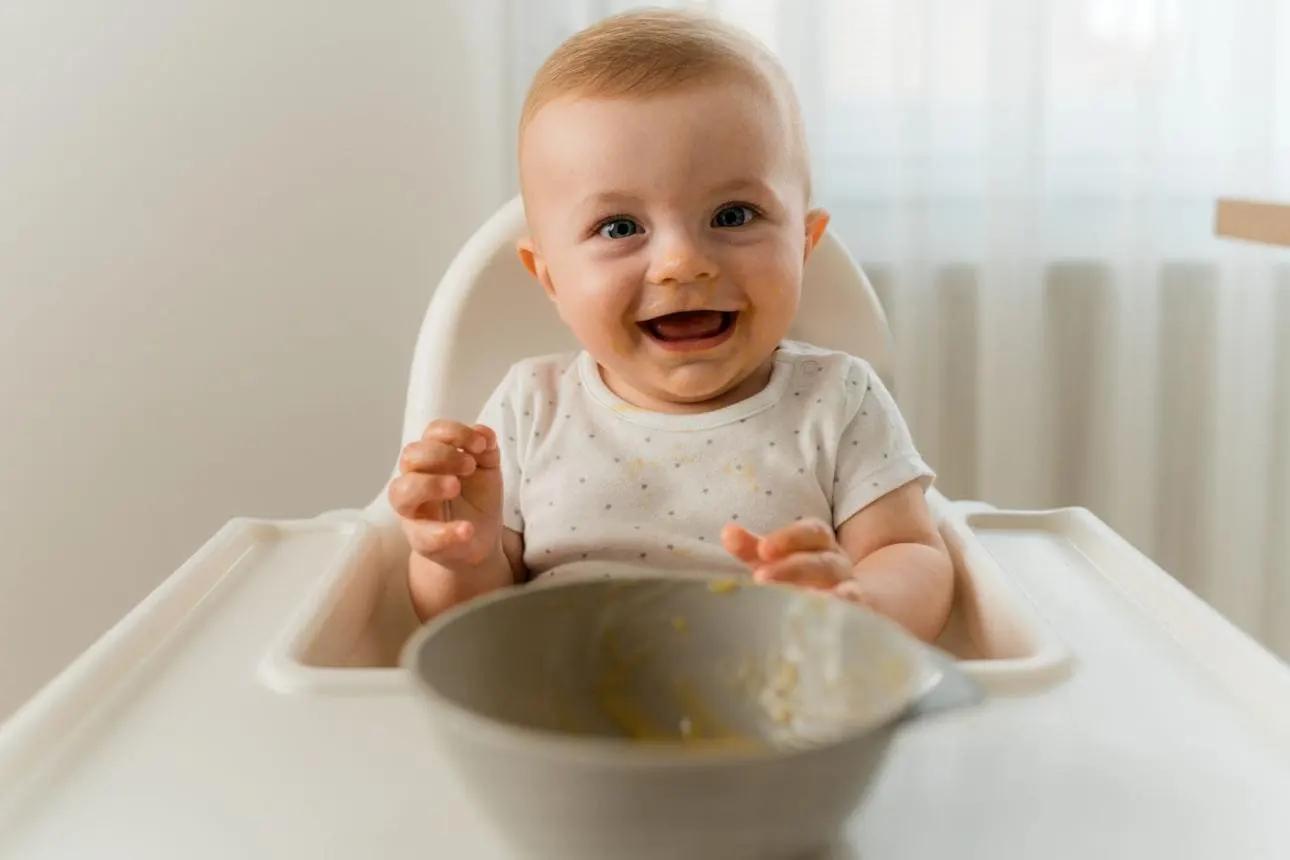
Baby Feeding Made Easy: How to Choose the Right High Chair for Your Baby
The first time I placed my baby in a high chair, it felt like a milestone—until the food started flying. Choosing the right high chair can make mealtimes safer, easier, and far less chaotic.

The Art of Gentle Weaning: Moving from Milk to Solids Smoothly
The day I offered my daughter her first spoonful of rice water, she looked at me like I had personally betrayed her. By week three, she was grabbing the spoon. Weaning is a journey, not a deadline.

Best Baby Carriers in India 2026: Types, Safety & Buying Guide
A good baby carrier is your hands-free parenting superpower. But with so many types available in India, choosing the right one can be overwhelming. This guide makes it simple.

Healthy Diet Chart for Toddlers
Discover a nutritious diet chart tailored for toddlers that ensures balanced meals. Learn how to make mealtime enjoyable and healthy!