Cradle Swing Safety 101: Keeping Your Baby Secure While They Sway
Cradle Swing Safety 101: Keeping Your Baby Secure While They Sway
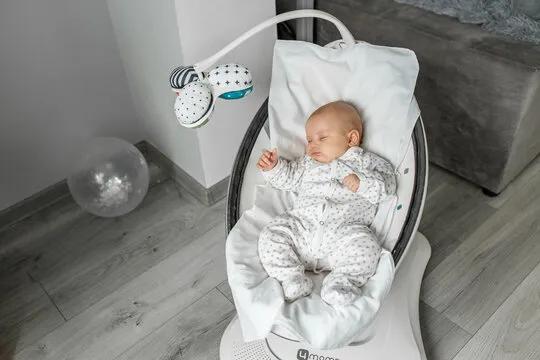
Cradle Swing Safety 101: Keeping Your Baby Secure While They Sway
Introduction: Balance Between Comfort and Caution
In the Mamaverse, safety is our North Star. While a cradle swing is an incredible tool for calming a fussy infant, it must be used with a "Safety-First" mindset. From the angle of the seat to the duration of use, understanding the limits of your gear is vital for your baby’s health. A swing is a place for supervised relaxation, not a substitute for a firm, flat crib mattress during overnight sleep.
This 1500-word guide breaks down the essential safety protocols for cradle swings. We will discuss the "ABC's of Safe Sleep," the importance of harness systems, and why StarAndDaisy swings are built with wide-base stability to prevent tipping. At Mamaverse.co, we believe that the best gear is gear used correctly.

1. The Harness System: Five Points of Protection
As babies grow, they begin to wiggle and kick. A swing without a proper harness is a fall risk.
- The 5-Point Harness: Look for a cradle swing that secures the baby at the shoulders, hips, and crotch. This prevents the baby from sliding down or leaning too far to one side.
- Snug but Comfortable: You should be able to fit two fingers between the strap and the baby’s chest. StarAndDaisy swings feature padded straps to ensure that "secure" doesn't mean "uncomfortable."
2. Angle and Airway: Preventing Chin-to-Chest
Newborns have heavy heads and weak neck muscles. If a swing is too upright, the baby’s head can flop forward, potentially obstructing their airway.
Recline Options: A safe cradle swing should have an adjustable recline. For younger infants, the most reclined position is the safest. StarAndDaisy engineering ensures that our seats maintain a "neutral spinal curve," keeping the baby’s airway wide open while they enjoy the motion.
3. Duration of Use: The "A-B-A" Rule
In the Mamaverse, we recommend the "A-B-A" approach: Activity, Basket (Swing), Activity.
- Avoid "Container Syndrome": While it’s tempting to leave a happy baby in a swing for hours, they need "floor time" to develop their muscles. Limit swing sessions to 30-60 minutes at a time.
- Supervised Use: Never leave a baby unattended in a cradle swing. If they fall into a deep sleep, the safest practice is to move them to a flat crib or bassinet to reduce the risk of SIDS.
4. Frame Stability and Weight Limits
A swing in motion creates centrifugal force. If the base is too narrow, it can walk across the floor or tip.
StarAndDaisy Stability: Our swings and rockers are designed with an "Over-Wide" footprint and anti-skid rubber grips. Always check the weight limit of your specific model. Once your baby starts trying to climb out or reaches the upper weight limit, it is time to transition them to a stationary play area or a toddler chair.