Calcium-Rich Foods During Pregnancy
Discover essential calcium-rich foods for a healthy pregnancy. Ensure you and your baby get the nutrients needed for growth and development.
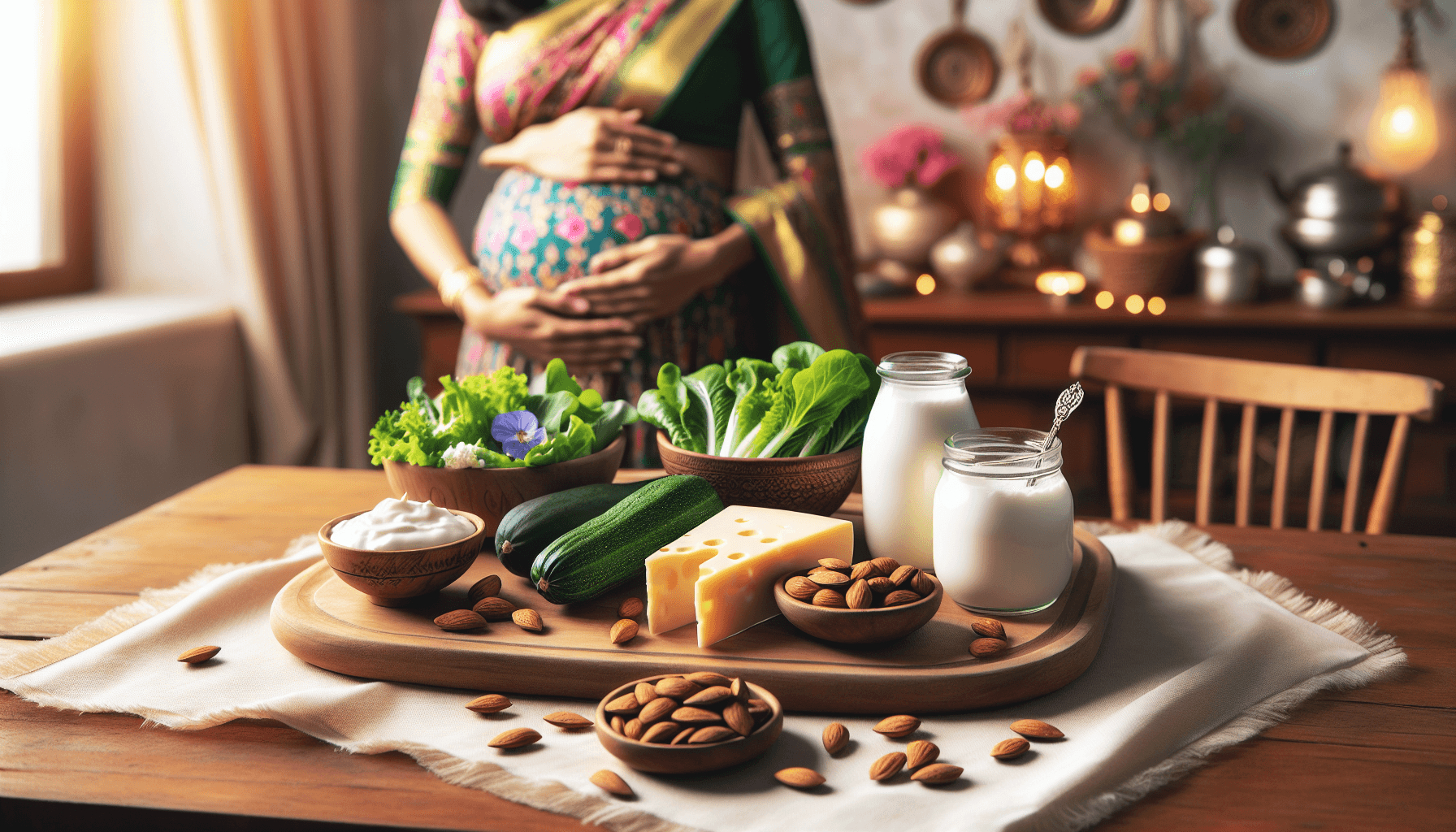
Calcium-Rich Foods During Pregnancy
Pregnancy is a beautiful journey filled with joy, anticipation, and the need for extra care. One vital nutrient that should be on every expectant mother’s radar is calcium. This mineral plays a crucial role in the development of your baby's bones, teeth, and overall health. In this article, we'll explore the importance of calcium during pregnancy, the recommended daily intake, and a variety of calcium-rich foods to incorporate into your diet.
Why is Calcium Important During Pregnancy?
Calcium is essential for both you and your growing baby. Here’s why:
- Bone Development: Calcium is critical for your baby's skeletal development. Insufficient calcium can lead to complications such as poor bone health and growth issues.
- Prevention of Pregnancy Complications: Adequate calcium intake can help prevent conditions like preeclampsia and gestational hypertension.
- Maternal Health: It also helps maintain the mother’s bone density, which can be affected during pregnancy.
Recommended Calcium Intake
During pregnancy, the recommended daily intake of calcium increases to about 1,000 mg for women aged 19-50, and 1,300 mg for those under 18. This ensures that both mother and baby receive sufficient calcium for healthy development.
Calcium-Rich Foods to Include in Your Diet
Eating a variety of calcium-rich foods is the best way to meet your daily requirements. Here are some excellent sources of calcium:
Dairy Products
- Milk: One of the best sources of calcium, with about 300 mg per cup. Opt for low-fat options if preferred.
- Yogurt: A tasty way to boost calcium intake, providing around 300-400 mg per serving. Greek yogurt is especially rich.
- Cheese: Varieties like mozzarella and cheddar are calcium-rich, offering around 200-300 mg per ounce.
Leafy Greens
- Spinach: While it contains calcium, it also has oxalates, which can inhibit calcium absorption. Still, it offers about 240 mg per cup cooked.
- Collard Greens: A better option for calcium absorption, these leafy greens provide around 350 mg per cup cooked.
- Broccoli: With about 180 mg per cup, it’s another nutritious addition that also boosts your vitamin C intake.
Fortified Foods
- Fortified Orange Juice: Many brands fortify their juice with calcium, providing about 300 mg per cup.
- Fortified Cereals: Check labels for calcium-fortified options, which can contain up to 1000 mg per serving.
Legumes and Nuts
- Chickpeas: A fantastic source of calcium, offering around 80 mg per cup cooked.
- Almonds: These nuts are nutrient-dense, providing about 76 mg of calcium per ounce.
Fish
- Salmon: Especially canned salmon, is a good source of calcium, with about 180 mg per serving.
- Sardines: These small fish are packed with calcium, providing around 325 mg in a 3.75 oz can.
Tips for Increasing Calcium Intake
Here are some practical tips to ensure you get enough calcium during your pregnancy:
- Start Your Day Right: Include fortified cereals or yogurt as part of your breakfast.
- Snack Wisely: Choose snacks like cheese, almonds, or yogurt to boost your calcium intake throughout the day.
- Mix It Up: Incorporate a variety of calcium-rich foods into your meals to keep them interesting and nutritious.
Consulting a Healthcare Provider
While it’s essential to focus on dietary sources, consult your healthcare provider about calcium supplements if you’re struggling to meet your needs through food alone. They can guide you on the appropriate dosage and options available.
Conclusion
Incorporating calcium-rich foods into your pregnancy diet is vital for both you and your baby’s health. By understanding the importance of calcium and knowing which foods to include, you can ensure a nurturing environment for your little one. Remember to enjoy this beautiful journey, and nourish yourself with love and care.
Kanika
Author - Parenting and Maternal Wellness
Hi, I’m Kanika, a parenting and maternal wellness writer at Mamaverse. I’m passionate about creating clear, practical, and thoughtfully researched content that helps parents feel more informed and confident throughout their parenting journey. I write about pregnancy, newborn care, baby development, toddler care, child development, parenting challenges, and family well-being. Before creating content, I focus on understanding the topic carefully and referring to reliable and authoritative sources, especially when the subject involves health, safety, or child development. Through Mamaverse, my goal is to simplify overwhelming parenting information into guidance that is easy to understand and useful in everyday life. I also believe that every pregnancy, child, and family is different, so my content is designed to educate and support—not replace personalized advice from qualified healthcare professionals. My Areas of Focus: Pregnancy, Maternal Wellness, Newborn Care, Baby Care, Toddler Care, Child Development, Parenting, and Family Well-being
Comments (0)
Leave a Comment
Related Articles

Post-delivery bleeding (lochia): what's normal?
Understanding postpartum bleeding and when to seek medical help.
Iron-Rich Foods During Pregnancy
Discover the importance of iron-rich foods during pregnancy and how they support both mother and baby's health. Get tips and food ideas!

Back pain during pregnancy: reasons & relief
Common causes of pregnancy back pain and safe relief methods.

Is it safe to travel during pregnancy? (car/train/flight)
Travel guidelines for pregnant women in India - car, train, and flight safety.