Birth Plan Guide for Expecting Mothers
Creating a birth plan can help expecting mothers feel more prepared and empowered. Discover key elements to include in your plan!

Creating Your Birth Plan: A Guide for Expecting Mothers
As you prepare to welcome your little one into the world, crafting a birth plan can be an empowering step in your journey. A birth plan is a document that outlines your preferences for labor and delivery, helping to communicate your wishes to your healthcare team. Here’s a comprehensive guide to help you create a birth plan that reflects your desires and needs.
What is a Birth Plan?
A birth plan is a written outline of your preferences for your labor and delivery experience. While it’s essential to remain flexible—since the unexpected can happen—it will serve as a useful tool for communicating your wishes to your healthcare providers. Your birth plan can include everything from the environment you want during labor to your preferences for pain management and newborn care.
Why is a Birth Plan Important?
- Clarifies Your Preferences: It helps you articulate what you envision for your birth experience.
- Encourages Communication: It opens up dialogue between you and your healthcare provider, ensuring everyone is on the same page.
- Enhances Comfort: Knowing your preferences can help reduce anxiety and promote a sense of control during labor.
Key Elements to Include in Your Birth Plan
When crafting your birth plan, consider including the following key elements:
1. Your Birth Environment
Describe the atmosphere you desire for your labor and delivery. Consider aspects like:
- Lighting (dimmed lights or bright)
- Music preferences (calm music, silence, or specific playlists)
- Presence of family or friends during labor
2. Labor Preferences
Outline your preferences regarding labor techniques and positions. You might include:
- Preferred labor positions (standing, sitting, or using a birthing ball)
- Use of a birthing pool or tub
- Desire for mobility (walking during labor)
3. Pain Management Choices
It’s crucial to express your preferences for pain relief. You can consider:
- Natural pain relief methods (breathing techniques, massage)
- Medications (epidural, nitrous oxide)
- Alternative therapies (hypnobirthing, aromatherapy)
4. Delivery Preferences
Specify how you would like to deliver your baby, including:
- Preferred delivery position (sitting, lying down, squatting)
- Any specific requests for the moment of birth (immediate skin-to-skin contact, delayed cord clamping)
- Use of episiotomy or preferences for tearing
5. Newborn Care
Include your preferences for your baby’s immediate care after birth, such as:
- Skin-to-skin contact
- Breastfeeding initiation
- Immunizations or procedures (like vitamin K shot, eye ointment)
Tips for Creating Your Birth Plan
- Keep It Simple: Aim for one to two pages to ensure clarity.
- Be Flexible: Acknowledge that birth is unpredictable, and be open to changes.
- Discuss with Your Healthcare Provider: Review your birth plan with your doctor or midwife, making sure they understand your preferences.
- Share Copies: Distribute copies of your birth plan to your partner, doula, and healthcare team.
Final Thoughts
Creating a birth plan is a personal process that should reflect your values, beliefs, and desires for your childbirth experience. Remember, while a birth plan is a valuable tool, the most important aspect is the health and safety of you and your baby. Embrace the journey ahead, and trust in your body’s ability to bring your little one into the world!
Kanika
Author - Parenting and Maternal Wellness
Hi, I’m Kanika, a parenting and maternal wellness writer at Mamaverse. I’m passionate about creating clear, practical, and thoughtfully researched content that helps parents feel more informed and confident throughout their parenting journey. I write about pregnancy, newborn care, baby development, toddler care, child development, parenting challenges, and family well-being. Before creating content, I focus on understanding the topic carefully and referring to reliable and authoritative sources, especially when the subject involves health, safety, or child development. Through Mamaverse, my goal is to simplify overwhelming parenting information into guidance that is easy to understand and useful in everyday life. I also believe that every pregnancy, child, and family is different, so my content is designed to educate and support—not replace personalized advice from qualified healthcare professionals. My Areas of Focus: Pregnancy, Maternal Wellness, Newborn Care, Baby Care, Toddler Care, Child Development, Parenting, and Family Well-being
Comments (0)
Leave a Comment
Related Articles

What to pack for baby in hospital bag (India)
Complete list of baby essentials for your hospital bag in India.

Post-delivery bleeding (lochia): what's normal?
Understanding postpartum bleeding and when to seek medical help.

Iron-Rich Foods During Pregnancy
Discover the importance of iron-rich foods during pregnancy and how they support both mother and baby's health. Get tips and food ideas!
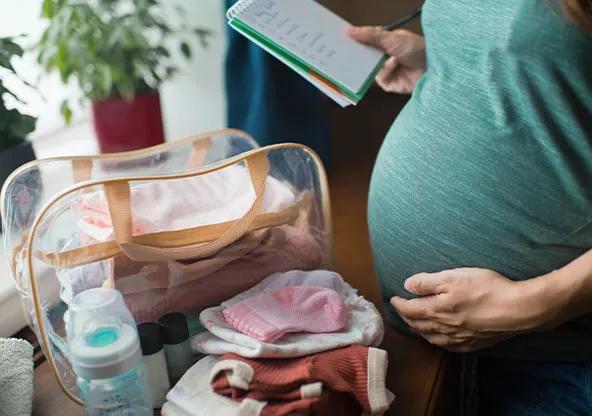
Things to Pack for Delivery at the Hospital
Packing for your hospital delivery can feel overwhelming. Here's a comprehensive list to help you prepare for your big day!