Balanced Diet Chart For Toddlers: 6 Essential Food Groups
Stop the mealtime battles! Learn how to build a balanced toddler diet with our easy-to-follow guide on the 6 essential food groups and expert tips for picky eaters.
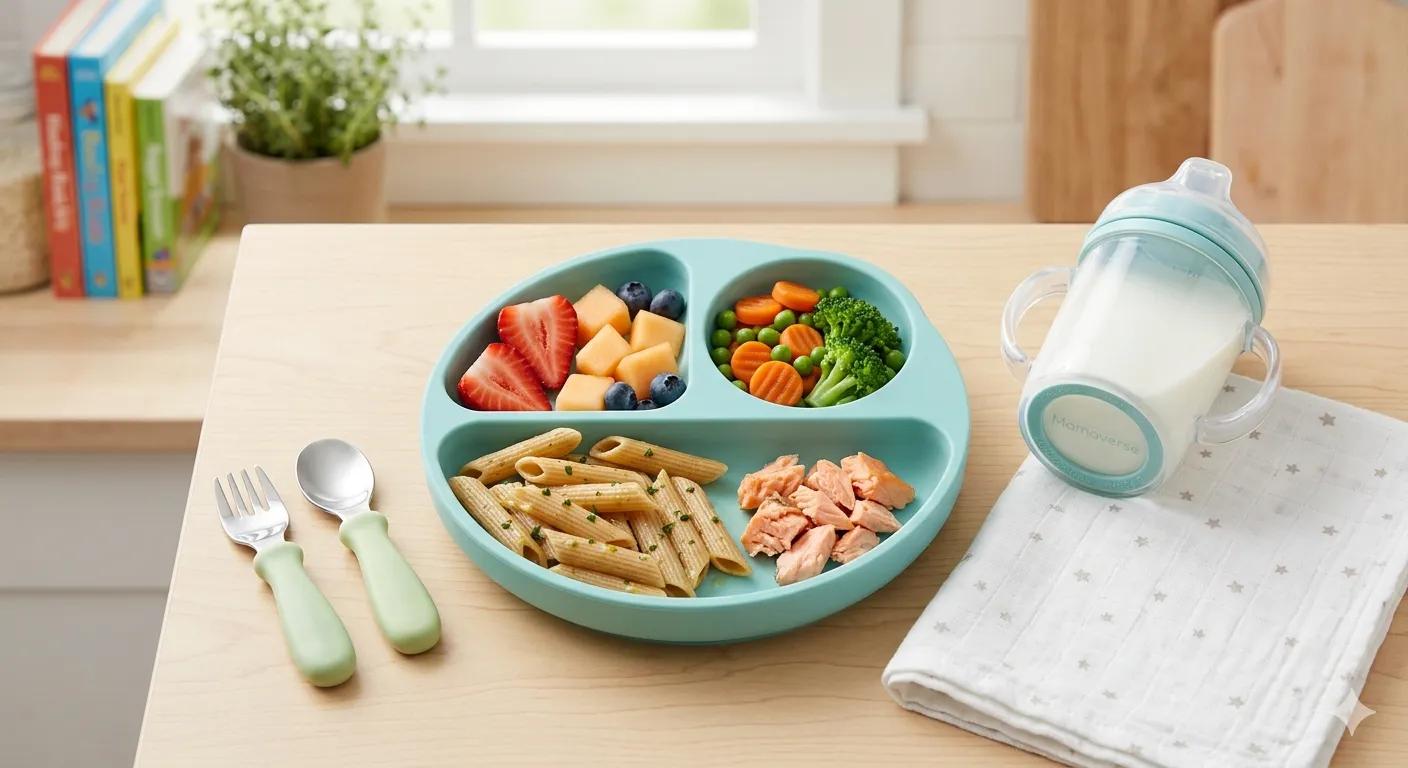
Balanced Diet Chart For Toddlers: 6 Essential Food Groups
Welcome to the Toddler Tornado phase! If you’ve officially traded baby purées for the wild, unpredictable world of toddler feeding, congratulations—you are now a short-order cook. One day your child is demanding only blue foods; the next, they are on a vegetable strike. Navigating this transition can feel like a full-time job.
At Mamaverse, we understand that your number one goal is ensuring your toddler gets the nutrition they need to grow, learn, and power those endless energy bursts. But amidst the "no!" phase and picky eating, how do you know if you're hitting the mark?
Forget complex, overwhelming meal plans. The secret to success isn't micromanaging every bite; it's about building a consistent, balanced diet chart based on the six essential food groups. When you understand what your toddler needs, planning meals becomes much easier, even when they decide dinner is better thrown on the floor.
Understanding the Toddler Nutrition Transition
Between ages 1 and 3, your toddler’s growth rate slows slightly compared to infancy, but their energy needs remain exceptionally high. Their brain is still rapidly developing, and they are constantly building muscle and bone. However, they now have opinions (oh, so many opinions!) and are naturally neophobic (afraid of new foods). This can make mealtime stressful.
The solution isn't to force-feed. Instead, your job is to be the Dietary Architect, offering a variety of nutritious foods from all six food groups throughout the day. Your toddler’s job is to decide which of those foods, and how much, they will eat.
Let’s look at the foundational groups that create the ideal daily balanced diet chart for toddlers.
The 6 Essential Food Groups for Toddlers
This simple breakdown of the core groups ensures you cover all nutrient bases without getting lost in the weeds.
1. Fruits
Fruits provide essential vitamins (like Vitamin C for immune health), fiber, and naturally occurring sugars for a sweet taste that toddlers love.
Why they need it: Provides natural energy for play, prevents constipation, and supports overall immune function.
Ideal Toddler-Friendly Choices: Sliced strawberries, bananas, peeled apple or pear wedges, blueberries, mango cubes, and melon.
Serving Tips: Aim for 1-1.5 servings per day. Fresh fruit is always best. Mamaverse Reminder: Limit juice as it’s high in sugar; choose whole fruit instead.
2. Vegetables
This is often the trickiest group, but it's crucial. Vegetables are packed with nutrients not found in other groups.
Why they need it: High fiber, antioxidants, and specific minerals that support muscle function and long-term health.
Ideal Toddler-Friendly Choices: Cooked (and softened) broccoli florets, carrot coins, green beans, peas, corn, and sweet potato cubes. Spinach or zucchini are excellent "hidden" in other dishes (see below).
Serving Tips: Aim for 1-1.5 servings per day. If they reject a veggie, do not stop offering it! It takes 10+ exposures for a toddler to accept a new food. Try different preparation methods: roasted vs. steamed.
3. Grains
Grains, especially whole grains, provide your toddler with the complex carbohydrates their bodies use as fuel.
Why they need it: The primary source of energy for activity and brain function. Fiber (in whole grains) keeps digestion healthy and helps them feel full.
Ideal Toddler-Friendly Choices: Whole-wheat bread, whole-grain pasta, oatmeal, brown rice, quinoa, whole-grain crackers, and fortified cereals.
Serving Tips: Aim for 3 servings per day. Look for products labeled "100% whole grain" or "whole wheat."
4. Proteins (Meat & Alternatives)
Protein is the building block for growth. It helps repair tissue, builds muscle, and is essential for making red blood cells.
Why they need it: Critical for muscle development and strong growth spurts. Protein also helps slow the absorption of carbohydrates, preventing energy crashes.
Ideal Toddler-Friendly Choices: Soft-cooked lean beef/chicken, ground meat (e.g., turkey), fish (e.g., salmon/tuna, checked for bones), eggs, beans, lentils, and hummus.
Serving Tips: Aim for 2 servings per day. Cut all meat into very small, manageable pieces. Eggs are a nutrient-dense powerhouse!
5. Dairy
Dairy is vital for providing the large amounts of calcium your growing toddler needs for their developing skeletal system.
Why they need it: The #1 source of calcium and Vitamin D, essential for building strong bones and teeth. Whole dairy provides fats for brain development (switch to whole milk/yogurt until age 2).
Ideal Toddler-Friendly Choices: Whole milk, whole-milk yogurt, cheese slices or cubes, and fortified soy beverages (if milk-allergic).
Serving Tips: Aim for 2-2.5 servings per day. Mamaverse Pro-Tip: Avoid flavored yogurts; they are often packed with hidden sugars.
6. Fats and Oils
Healthy fats are not a luxury for toddlers; they are essential for the first two years of life.
Why they need it: Healthy fats are the primary driver of brain development. They are also dense calorie sources needed for rapid growth and help the body absorb key vitamins (A, D, E, K).
Ideal Toddler-Friendly Choices: Avocado, olive oil, nut or seed butters (spread thin), fatty fish, and full-fat dairy products.
Serving Tips: You don't need distinct servings; rather, incorporate healthy fats into other groups. Spread nut butter on whole-wheat bread or use avocado slices. Note: Whole fat in the dairy and protein groups often covers this need.
Sample Toddler Balanced Diet Chart (Age 1-3)
Here is a practical, flexible day that hits every group.
| Meal | Food (Examples) | Targeted Essential Food Group(s) |
| Breakfast | Oatmeal made with whole milk, topped with banana slices. | Grains (Oatmeal), Dairy (Milk), Fruit (Banana), Fat (Whole milk) |
| Morning Snack | Full-fat Greek yogurt with a drizzle of honey* (optional). | Dairy (Yogurt), Protein (Yogurt), Fat (Full-fat) |
| Lunch | Whole-wheat wrap with thin layer of hummus, finely shredded cooked chicken, and peas. | Grains (Wrap), Protein (Hummus/Chicken), Veggie (Peas) |
| Afternoon Snack | Apple slices with a thin spread of almond butter. | Fruit (Apple), Fat/Protein (Almond Butter) |
| Dinner | Soft-cooked salmon, sweet potato mash, and steamed broccoli (cooked well and cut small). | Protein/Fat (Salmon), Veggie (Sweet Potato/Broccoli) |
| Bedtime (If needed) | Small 4 oz glass of whole milk. | Dairy/Fat |
*Note: Honey is safe for toddlers over 12 months.
Mamaverse Picky Eater Pro-Tips (How to Win the Dinner Battle)
If you're reading this and thinking, “My child will not eat this,” you are not alone. Here is how to incorporate the 6 groups when dealing with a picky toddler:
"Hide" the Veggies (When All Else Fails): If they reject whole vegetables, blend spinach or cooked carrots into tomato sauce, puree cauliflower into mac and cheese, or shred zucchini into whole-grain muffins.
Focus on "Exposure," Not Consumption: Always include a small amount of the rejected food (e.g., a single pea) alongside a favorite food. Do not force them to eat it, but require it to be on the plate. Praise them just for touching or licking it.
Offer Choices Within Groups: Instead of asking, “Do you want dinner?” ask, “Would you like sweet potatoes or peas with your chicken?” Giving control helps decrease resistance.
Avoid the "Dessert Override": Never use dessert as a reward for eating dinner, as this creates an unhealthy dynamic. Dessert is simply another food that sometimes comes after a meal.
Look at the Week, Not the Day: Some days, your toddler will barely eat. The next, they will out-eat an adult. Don’t panic over a single day. Look at what they consumed over a 7-day period—chances are, they made up for it!
You’re doing a great job, Mama! By consistently offering the 6 essential food groups, you are building a nutrition foundation that will support your toddler's health for years to come.
Kanika
Author - Parenting and Maternal Wellness
Hi, I’m Kanika, a parenting and maternal wellness writer at Mamaverse. I’m passionate about creating clear, practical, and thoughtfully researched content that helps parents feel more informed and confident throughout their parenting journey. I write about pregnancy, newborn care, baby development, toddler care, child development, parenting challenges, and family well-being. Before creating content, I focus on understanding the topic carefully and referring to reliable and authoritative sources, especially when the subject involves health, safety, or child development. Through Mamaverse, my goal is to simplify overwhelming parenting information into guidance that is easy to understand and useful in everyday life. I also believe that every pregnancy, child, and family is different, so my content is designed to educate and support—not replace personalized advice from qualified healthcare professionals. My Areas of Focus: Pregnancy, Maternal Wellness, Newborn Care, Baby Care, Toddler Care, Child Development, Parenting, and Family Well-being
Comments (0)
Leave a Comment
Related Articles

Baby Feeding Made Easy: How to Choose the Right High Chair for Your Baby
The first time I placed my baby in a high chair, it felt like a milestone—until the food started flying. Choosing the right high chair can make mealtimes safer, easier, and far less chaotic.

The Art of Gentle Weaning: Moving from Milk to Solids Smoothly
The day I offered my daughter her first spoonful of rice water, she looked at me like I had personally betrayed her. By week three, she was grabbing the spoon. Weaning is a journey, not a deadline.

Best Baby Carriers in India 2026: Types, Safety & Buying Guide
A good baby carrier is your hands-free parenting superpower. But with so many types available in India, choosing the right one can be overwhelming. This guide makes it simple.

Healthy Diet Chart for Toddlers
Discover a nutritious diet chart tailored for toddlers that ensures balanced meals. Learn how to make mealtime enjoyable and healthy!