Baby Milestones Month-by-Month: What to Expect in the First Year
A complete month-by-month guide to baby milestones in the first year. Learn what to expect, tips for parents, and when to consult a doctor.

Introduction
The first year of your baby’s life is full of magical “firsts”—first smile, first roll, first step. But as a new parent, it’s natural to wonder, “Is my baby developing normally?”
Understanding baby milestones month-by-month helps you track your baby’s growth without unnecessary anxiety. Remember, every baby develops at their own pace.
Understanding Baby Milestones
Baby milestones are developmental achievements in areas like:
- Physical growth: Rolling, crawling, walking
- Cognitive skills: Recognizing faces, responding to sounds
- Social development: Smiling, bonding
Month-by-Month Baby Development Guide
0–2 Months: Adjustment Phase
- Responds to sounds
- Makes eye contact
- Begins smiling (around 6–8 weeks)
👉 Tip: Gentle talking and eye contact help bonding.
3–4 Months: Active Engagement
- Holds head steady
- Smiles socially
- Starts cooing
👉 Tummy time is essential here.
5–6 Months: Exploration Begins
- Rolls over
- Recognizes familiar faces
- Starts reaching for objects
👉 This is a good time to explore baby care essentials like safe toys and play mats.
7–9 Months: Mobility Phase
- Sits without support
- Crawls or scoots
- Responds to name
👉 Encourage movement safely at home.
10–12 Months: Independence Starts
- Pulls to stand
- May take first steps
- Says simple words like “mama”
👉 Baby-proofing your home becomes crucial.
Practical Tips to Support Milestones
- Talk, sing, and interact daily
- Encourage floor play instead of excessive stroller use
- Maintain a routine (feeding, sleep, play)
- Give safe objects for exploration
Creating a safe play environment at home becomes easier with simple additions like soft play mats, age-appropriate toys , or baby gear that supports both comfort and movement.
Do’s and Don’ts
✅ Do’s
- Celebrate small progress
- Provide safe and stimulating environment
- Follow vaccination schedule
❌ Don’ts
- Compare your baby with others
- Force milestones (like early walking)
- Ignore delays consistently
When to Consult a Doctor
- No smile by 3 months
- No head control by 5 months
- Not sitting by 9 months
- No response to name by 10 months
FAQs
1. What if my baby skips crawling?
Some babies go straight to walking—it’s normal.
2. When should I start solid food?
Around 6 months, after consulting your pediatrician.
3. Is late walking a concern?
Up to 15–18 months can still be normal.
4. How can I improve brain development?
Talk, read, and play regularly.
5. Should I use walkers?
Avoid them—they can delay development.
Conclusion
Every baby’s journey is unique. Focus on love, care, and consistent support rather than perfection. You’re doing better than you think 💛
Kanika
Author - Parenting and Maternal Wellness
Hi, I’m Kanika, a parenting and maternal wellness writer at Mamaverse. I’m passionate about creating clear, practical, and thoughtfully researched content that helps parents feel more informed and confident throughout their parenting journey. I write about pregnancy, newborn care, baby development, toddler care, child development, parenting challenges, and family well-being. Before creating content, I focus on understanding the topic carefully and referring to reliable and authoritative sources, especially when the subject involves health, safety, or child development. Through Mamaverse, my goal is to simplify overwhelming parenting information into guidance that is easy to understand and useful in everyday life. I also believe that every pregnancy, child, and family is different, so my content is designed to educate and support—not replace personalized advice from qualified healthcare professionals. My Areas of Focus: Pregnancy, Maternal Wellness, Newborn Care, Baby Care, Toddler Care, Child Development, Parenting, and Family Well-being
Comments (0)
Leave a Comment
Related Articles
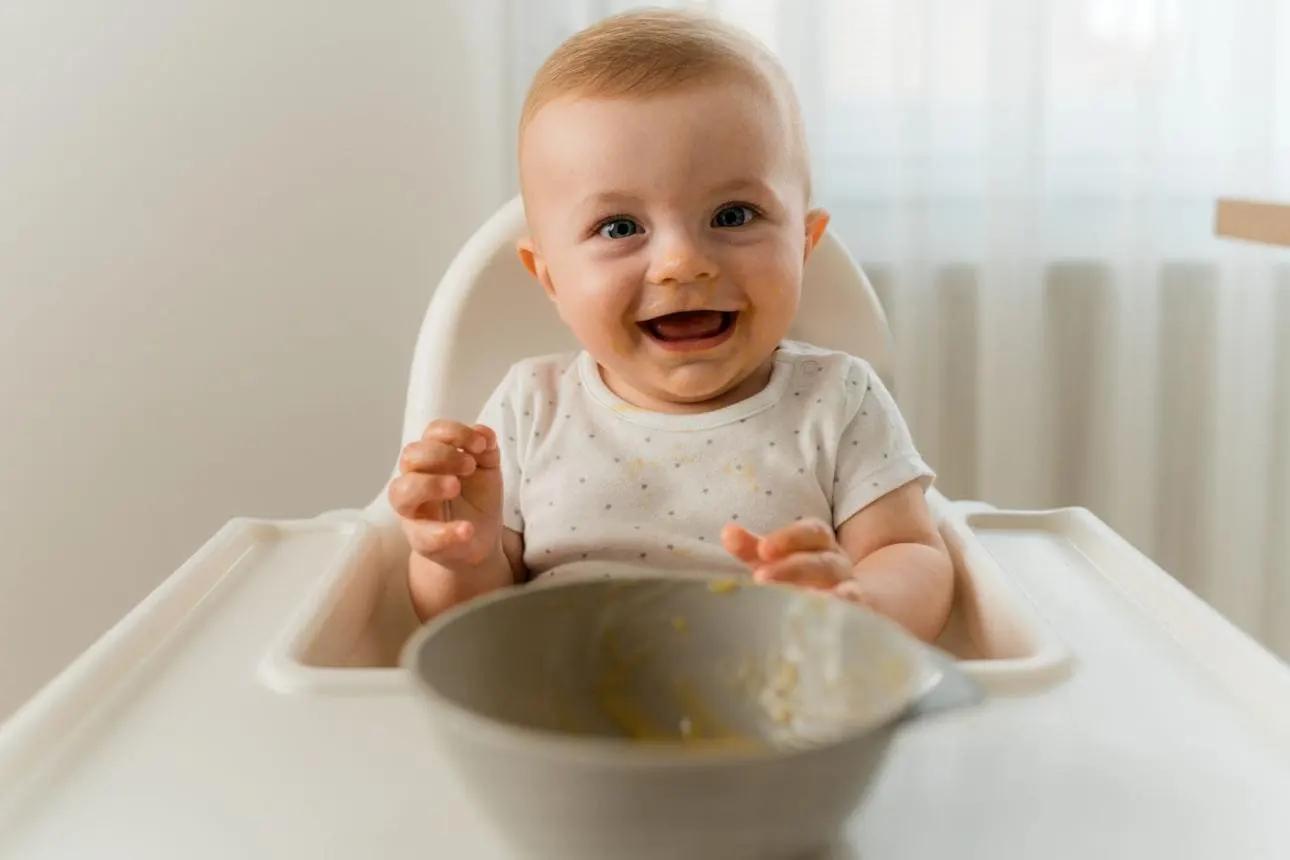
Baby Feeding Made Easy: How to Choose the Right High Chair for Your Baby
The first time I placed my baby in a high chair, it felt like a milestone—until the food started flying. Choosing the right high chair can make mealtimes safer, easier, and far less chaotic.

The Art of Gentle Weaning: Moving from Milk to Solids Smoothly
The day I offered my daughter her first spoonful of rice water, she looked at me like I had personally betrayed her. By week three, she was grabbing the spoon. Weaning is a journey, not a deadline.

Healthy Diet Chart for Toddlers
Discover a nutritious diet chart tailored for toddlers that ensures balanced meals. Learn how to make mealtime enjoyable and healthy!

Best Baby Carriers in India 2026: Types, Safety & Buying Guide
A good baby carrier is your hands-free parenting superpower. But with so many types available in India, choosing the right one can be overwhelming. This guide makes it simple.