Baby Development Milestones: Month-by-Month Guide
Track your baby’s growth with our month-by-month guide to development milestones. Get insights into what to expect in their first year!

Baby Development Milestones: Month-by-Month Guide
The first year of your baby’s life is filled with incredible changes and growth. As a parent, it’s vital to understand these milestones to ensure your baby is developing healthily. This month-by-month guide will help you track and celebrate your baby’s progress, from their first smile to their first steps.
Why Are Development Milestones Important?
Development milestones are key indicators of your baby's growth in various domains such as physical, social, emotional, and cognitive skills. They help ensure that your child is progressing typically and can also highlight areas where they may need extra support. It’s essential to remember that every child develops at their own pace; however, being aware of these milestones allows you to provide the right encouragement and stimulation.
Month 1: The Newborn Stage
- Recognizes caregivers’ voices and faces.
- Can move their head side to side while lying on their stomach.
- Begins to focus on objects about 8-12 inches away.
Month 2: Beginning to Engage
- Starts to smile in response to others.
- Can hold their head up for a short period while lying on their stomach.
- Begins to coo and make gurgling sounds.
Month 3: Social Smiles and Sounds
- Smiles spontaneously, especially at people.
- Can hold their head at a 45-degree angle when lying on their stomach.
- Begins to imitate some sounds.
Month 4: Tummy Time Fun
- Pushes down on their legs when their feet are on a hard surface.
- Can reach for toys and bring them to their mouth.
- Begins to laugh and may squeal with excitement.
Month 5: Exploring the World
- Can roll over from tummy to back and vice versa.
- Starts to sit with support and may lean forward to reach for things.
- Recognizes familiar faces and reacts differently to strangers.
Month 6: Halfway to One!
- Sits without support for a few moments.
- Begins to pass objects from one hand to the other.
- Responds to their name and looks around when asked, "Where’s the toy?".
Month 7: The Explorer
- Starts to crawl or scoot.
- Can pull themselves up to a standing position while holding onto furniture.
- Shows curiosity about things by reaching for them.
Month 8: Communication Skills Emerge
- May begin to say simple consonant sounds like “ma” or “da”.
- Can sit well without support.
- Shows fear of strangers and has favorite toys.
Month 9: Standing Tall
- Stands while holding onto furniture and may take a few steps while holding on.
- Can understand the concept of “no”.
- Waves goodbye and plays peek-a-boo.
Month 10: Almost There
- Can stand alone for a few seconds and may take a few steps without support.
- Imitates different sounds and actions.
- Shows more emotion and may exhibit fear of loud noises.
Month 11: The Final Countdown
- May be able to walk a few steps without holding onto anything.
- Can say “mama” and “dada” and may say one or two other words.
- Enjoys exploring and may push or pull toys.
Month 12: A Year of Growth
- Can walk independently.
- Can say a few simple words and understand many more.
- Shows fear and anxiety in new situations.
Supporting Your Baby's Development
Every child is unique, and while these milestones provide a guideline, it’s important to foster an environment that supports their individual pace of development. Here are some tips:
- Engage with Your Baby: Talk, sing, and read to your baby. This helps stimulate their language skills.
- Encourage Movement: Give them tummy time and allow them to explore their environment safely.
- Provide Stimulating Toys: Use age-appropriate toys that encourage reaching, grasping, and problem-solving.
- Be Patient: Remember that every child develops at their own pace. Celebrate their achievements, no matter how small.
When to Consult a Pediatrician
If you have concerns about your baby’s development or if they are not meeting multiple milestones, it’s a good idea to consult your pediatrician. Early intervention can make a significant difference in your child’s development.
Conclusion
Tracking your baby’s development milestones month by month not only helps you understand their growth but also allows you to create a nurturing environment that encourages their overall development. Cherish these moments as your little one grows and thrives!
Kanika
Author - Parenting and Maternal Wellness
Hi, I’m Kanika, a parenting and maternal wellness writer at Mamaverse. I’m passionate about creating clear, practical, and thoughtfully researched content that helps parents feel more informed and confident throughout their parenting journey. I write about pregnancy, newborn care, baby development, toddler care, child development, parenting challenges, and family well-being. Before creating content, I focus on understanding the topic carefully and referring to reliable and authoritative sources, especially when the subject involves health, safety, or child development. Through Mamaverse, my goal is to simplify overwhelming parenting information into guidance that is easy to understand and useful in everyday life. I also believe that every pregnancy, child, and family is different, so my content is designed to educate and support—not replace personalized advice from qualified healthcare professionals. My Areas of Focus: Pregnancy, Maternal Wellness, Newborn Care, Baby Care, Toddler Care, Child Development, Parenting, and Family Well-being
Comments (0)
Leave a Comment
Related Articles
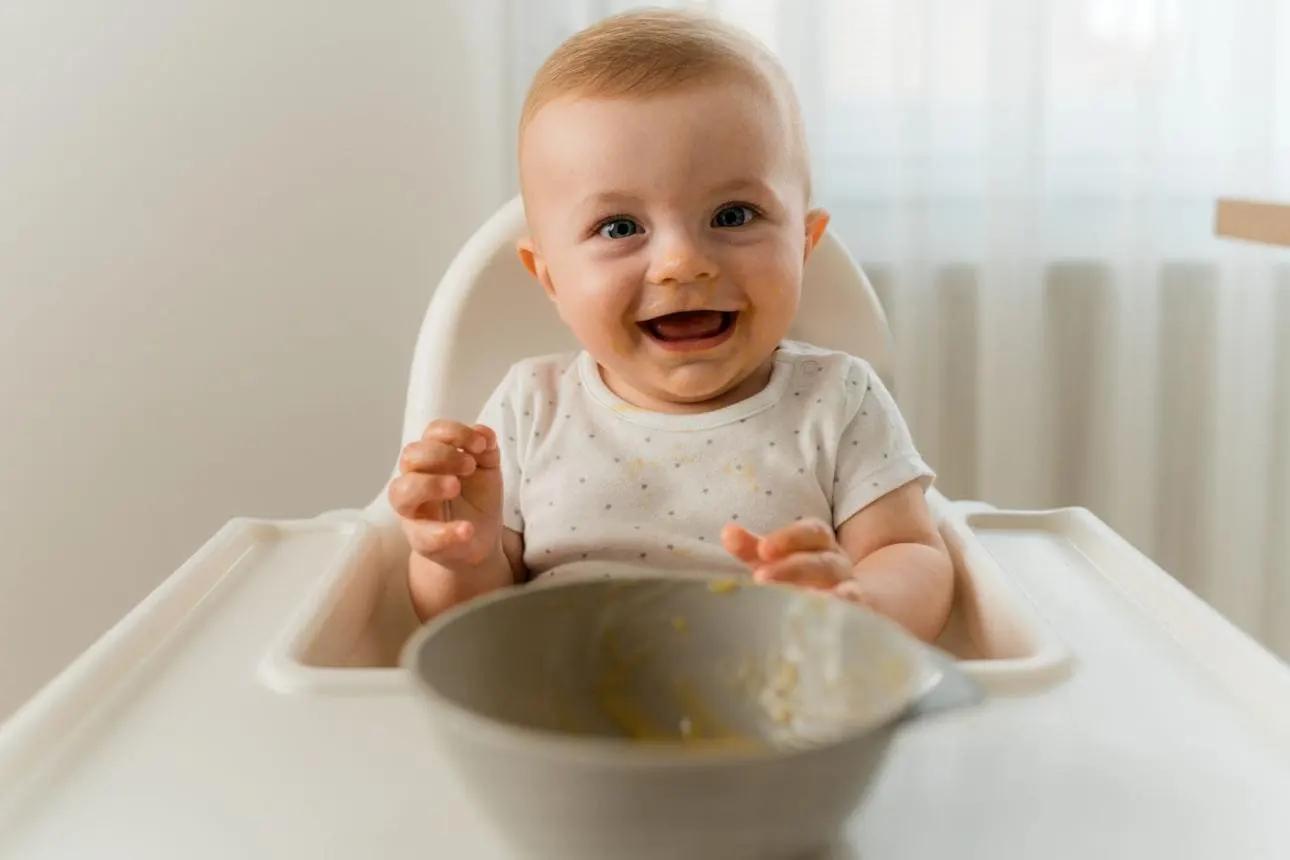
Baby Feeding Made Easy: How to Choose the Right High Chair for Your Baby
The first time I placed my baby in a high chair, it felt like a milestone—until the food started flying. Choosing the right high chair can make mealtimes safer, easier, and far less chaotic.

The Art of Gentle Weaning: Moving from Milk to Solids Smoothly
The day I offered my daughter her first spoonful of rice water, she looked at me like I had personally betrayed her. By week three, she was grabbing the spoon. Weaning is a journey, not a deadline.

Best Baby Carriers in India 2026: Types, Safety & Buying Guide
A good baby carrier is your hands-free parenting superpower. But with so many types available in India, choosing the right one can be overwhelming. This guide makes it simple.

Healthy Diet Chart for Toddlers
Discover a nutritious diet chart tailored for toddlers that ensures balanced meals. Learn how to make mealtime enjoyable and healthy!